

Hey there! I'm a supplier of Silo Hoppers, and today I'm gonna share some tips on how to store grains properly in a silo hopper. Grains are a valuable commodity, and proper storage is crucial to maintain their quality and prevent losses. Whether you're a farmer, a food processor, or just someone looking to store a small amount of grains at home, these tips will come in handy.
1. Choose the Right Silo Hopper
First things first, you need to pick the right silo hopper for your needs. There are different types and sizes available, so you gotta consider factors like the amount of grains you want to store, the type of grains, and your budget.
If you're dealing with large quantities of grains, a big - capacity silo hopper would be ideal. For smaller amounts, a compact one might do the trick. Also, make sure the silo hopper is made of high - quality materials that can withstand the elements and protect your grains from pests and moisture.
We offer a wide range of silo hoppers, and you can check out our Bulk Cement Storage Silos for some great options. These silos are designed to provide reliable storage for various bulk materials, including grains.
2. Prepare the Silo Hopper Before Filling
Before you start filling the silo hopper with grains, it's essential to give it a thorough cleaning. Remove any debris, old grains, or dust from the previous storage. You can use a broom, a vacuum cleaner, or even a pressure washer if necessary.
Inspect the silo hopper for any signs of damage, such as cracks or holes. These can allow pests and moisture to enter, which can ruin your grains. If you find any damage, repair it before filling the silo.
Another important step is to install a good ventilation system. Proper ventilation helps to control the temperature and humidity inside the silo hopper. It prevents the growth of mold and mildew, which can quickly spoil your grains. You can use fans or vents to ensure adequate air circulation.
3. Sort and Clean the Grains
Not all grains are created equal. Before storing them in the silo hopper, you should sort and clean the grains. Remove any broken, damaged, or diseased grains. These can attract pests and spread diseases to the rest of the batch.
You can use a sieve or a grain cleaner to separate the good grains from the bad ones. This simple step can significantly improve the quality of your stored grains and reduce the risk of spoilage.
4. Control the Temperature and Humidity
Temperature and humidity are two critical factors when it comes to grain storage. Grains should be stored at a cool and dry place. High temperatures can cause the grains to germinate or develop mold, while high humidity can lead to condensation and rot.
You can use temperature and humidity sensors inside the silo hopper to monitor these conditions. If the temperature or humidity gets too high, you can take steps to adjust them. For example, you can use a dehumidifier to reduce humidity or a cooling system to lower the temperature.
5. Protect Against Pests
Pests like insects, rodents, and birds can cause a lot of damage to your stored grains. To protect your grains, you need to take some preventive measures.
Seal any openings in the silo hopper to prevent pests from getting in. You can use wire mesh or caulk to seal small holes. Keep the area around the silo hopper clean and free of debris, as this can attract pests.
You can also use natural or chemical pest control methods. For example, you can use diatomaceous earth, which is a natural insecticide, or you can use chemical pesticides if necessary. However, make sure to follow the instructions carefully when using pesticides to avoid any health risks.
6. Use the Right Loading and Unloading Equipment
Loading and unloading grains from the silo hopper require the right equipment. Using the wrong equipment can damage the grains or the silo hopper itself.
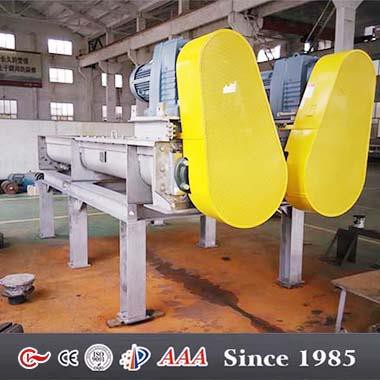
We offer Screw Conveyors with Hopper Volumetric Feeder, which are great for loading and unloading grains. These conveyors can efficiently move the grains in and out of the silo hopper without causing much damage.
When loading the grains, make sure to do it slowly and evenly to prevent overloading or creating air pockets. When unloading, use a proper discharge system to ensure a smooth flow of grains.
7. Regularly Inspect the Stored Grains
Even if you've taken all the necessary precautions, it's still important to regularly inspect the stored grains. Check for any signs of spoilage, such as mold, mildew, or an unpleasant odor. If you notice any problems, take immediate action to prevent the spread of the damage.
You can take samples of the grains at different levels in the silo hopper to check their quality. This will give you a better idea of the overall condition of the stored grains.
8. Consider the Type of Grains
Different types of grains have different storage requirements. For example, some grains, like wheat and corn, can be stored for a longer time than others, like rice and oats.
You need to take these differences into account when storing grains in the silo hopper. Some grains may require a lower temperature or humidity level, while others may be more resistant to pests and mold.
We also have Flour Silo Systems that are specifically designed for storing flour and other fine - grained products. These systems can provide optimal storage conditions for these types of products.

In conclusion, proper grain storage in a silo hopper is all about attention to detail. By following these tips, you can ensure that your grains stay in good condition for a long time. If you're in the market for a silo hopper or need more information on grain storage, feel free to get in touch with us. We're here to help you find the best solutions for your grain storage needs.
References
- "Grain Storage Handbook" - A comprehensive guide on grain storage techniques and best practices.
- "Pest Management in Grain Storage" - A resource on how to prevent and control pests in grain storage facilities.