

Hey there! As a supplier of mass conveyors, I know how crucial it is to keep these machines in top - notch condition. A well - maintained mass conveyor can save you a ton of money in the long run and prevent those pesky breakdowns that can halt your operations. So, let's dive into how to schedule maintenance for a mass conveyor.
Understanding Your Mass Conveyor
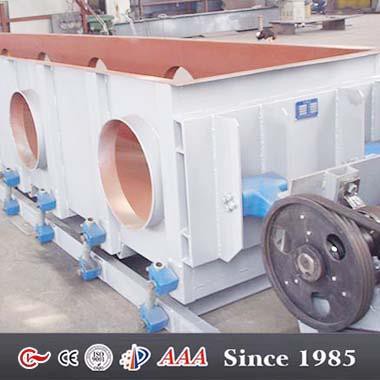
First things first, you gotta understand what makes your mass conveyor tick. Mass conveyors are used to move bulk materials, and they come in different types like the ones described in Mass Conveyor for Bulk Material Handling. These conveyors rely on vibration to move materials, and they can be pretty complex pieces of machinery.
Take a good look at your conveyor's manual. It's like a treasure map that tells you all about the different parts, how they work together, and what kind of maintenance each part needs. You'll find information on things like the motor, the drive system, the trough, and the vibration mechanism. Knowing these details is the foundation for creating an effective maintenance schedule.
Creating a Baseline Inspection
Before you start scheduling regular maintenance, you need to do a baseline inspection. This is a thorough check - up of your mass conveyor to see its current condition. Look for any signs of wear and tear, loose parts, or leaks. Check the alignment of the conveyor, as misalignment can cause excessive stress on the components and lead to premature failure.
Inspect the belts (if it's a belt - driven mass conveyor) or the vibrating elements. Make sure they're in good shape, without any cracks or fraying. Also, check the electrical connections. Loose or corroded connections can cause electrical problems and even pose a safety hazard.
Document everything you find during this inspection. Take photos if you can, as they can be really helpful when you're comparing the conveyor's condition over time. This baseline inspection will give you a starting point for your maintenance schedule and help you identify any immediate issues that need to be addressed.
Short - Term Maintenance Schedule
Once you've got your baseline inspection done, it's time to set up a short - term maintenance schedule. This usually involves daily, weekly, and monthly checks.
Daily Checks
On a daily basis, you should do a quick visual inspection of the conveyor. Look for any obvious signs of damage, like broken parts or spilled materials. Check the conveyor's operation. Listen for any unusual noises, as they could indicate a problem with the motor, bearings, or other components.
Make sure the conveyor is clean. Remove any debris or build - up on the trough or around the conveyor. This not only helps the conveyor run smoothly but also prevents corrosion and damage to the components.
Weekly Checks
Weekly maintenance is a bit more in - depth. Check the lubrication levels of the moving parts. Most mass conveyors have bearings and other moving components that need proper lubrication to reduce friction and wear. If the lubrication is low, top it up according to the manufacturer's recommendations.
Inspect the tension of the belts or the vibrating elements. Over time, these can stretch or loosen, which can affect the conveyor's performance. Adjust the tension as needed to ensure proper operation.
Monthly Checks
Monthly maintenance involves more comprehensive inspections. Check the conveyor's structural integrity. Look for any signs of cracks or deformation in the frame or other structural components. This is especially important if your conveyor is operating in a harsh environment or handling heavy loads.
Test the safety features of the conveyor, such as emergency stop buttons and safety guards. Make sure they're working properly to protect your employees and prevent accidents.
Long - Term Maintenance Schedule
In addition to the short - term schedule, you also need to plan for long - term maintenance. This includes quarterly, semi - annual, and annual maintenance tasks.
Quarterly Maintenance
Quarterly checks are a great time to do more detailed inspections of the conveyor's internal components. For example, you can open up the motor housing and check the motor windings for any signs of overheating or damage. Inspect the drive system, including the gears and pulleys, for wear and tear.
Clean the electrical components, such as the control panels and switches. Dust and dirt can accumulate over time and cause electrical problems. Use a compressed air gun or a soft brush to clean these components gently.
Semi - Annual Maintenance
Every six months, it's a good idea to do a major alignment check. As mentioned earlier, misalignment can cause a lot of problems for your mass conveyor. Use precision measuring tools to ensure that the conveyor is properly aligned. This may involve adjusting the feet or the support structure of the conveyor.
Replace any worn - out parts that you've identified during the previous inspections. This could include belts, bearings, or other components. Using high - quality replacement parts is essential to keep your conveyor running smoothly.
Annual Maintenance
Annual maintenance is the most comprehensive. It's like a full - body check - up for your mass conveyor. Disassemble the conveyor (if possible) and give it a thorough cleaning. Remove all the dirt, debris, and built - up materials from the inside of the conveyor.
Rebuild or replace any major components that are nearing the end of their service life. This could involve replacing the motor, the drive system, or the entire vibrating mechanism. An annual maintenance also gives you a chance to upgrade your conveyor if there are new technologies or features available that can improve its performance.

Record - Keeping and Tracking
Keeping detailed records of all your maintenance activities is super important. This includes the date of each inspection, what was done, and any parts that were replaced. You can use a simple spreadsheet or a more advanced maintenance management software to keep track of this information.
These records will help you monitor the performance of your mass conveyor over time. You can see if there are any recurring problems or if certain components are wearing out faster than expected. This information can be used to adjust your maintenance schedule and make more informed decisions about when to replace parts or upgrade the conveyor.
Emergency Maintenance Plan
Even with a well - planned maintenance schedule, emergencies can still happen. That's why you need an emergency maintenance plan. This plan should outline the steps to take in case of a breakdown or a serious problem with the conveyor.
Have a list of emergency contacts, including your maintenance team, the supplier (that's us!), and any local repair services. Keep a stock of critical replacement parts on - site so that you can quickly fix the conveyor and get it back up and running.
Conclusion
Scheduling maintenance for a mass conveyor is a continuous process. By following a well - structured maintenance schedule, you can keep your conveyor in excellent condition, reduce downtime, and save money on repairs and replacements.
If you're in the market for a new mass conveyor or need more information on maintenance, check out Vibration Conveyor Mass Conveyor. And if you have any questions or want to discuss your specific needs, don't hesitate to reach out. We're here to help you keep your operations running smoothly.
References
- Manufacturer's manual for mass conveyors
- Industry best practices for conveyor maintenance
- Technical articles on mass conveyor technology and maintenance