

Retrofitting an old CEMA (Conveyor Equipment Manufacturers Association) conveyor can be a cost - effective solution to extend its service life, improve performance, and enhance safety. As a CEMA conveyor supplier, I have witnessed firsthand the benefits that a well - executed retrofit can bring. In this blog, I will share some essential steps and considerations for retrofitting an old CEMA conveyor.
1. Initial Assessment
The first step in retrofitting an old CEMA conveyor is to conduct a comprehensive assessment. This involves a detailed inspection of the entire conveyor system, including the frame, belts, rollers, motors, and controls. Look for signs of wear and tear, such as cracks in the frame, worn - out belts, or malfunctioning motors. Measure the dimensions of the conveyor accurately to ensure that any new components will fit properly.
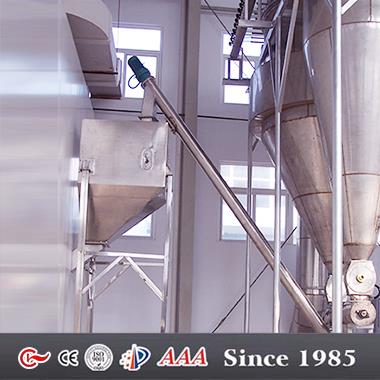
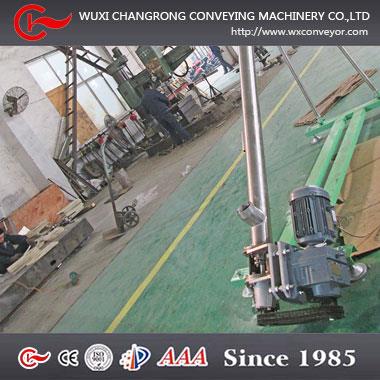
It's also important to evaluate the conveyor's current performance. Analyze factors like throughput, speed, and energy consumption. Determine if there are any bottlenecks or inefficiencies in the system. For example, if the conveyor is struggling to handle the required volume of materials, it may need upgrades to increase its capacity.
2. Goal Setting
Based on the assessment results, set clear goals for the retrofit project. These goals could include improving conveyor efficiency, increasing capacity, enhancing safety, or reducing maintenance costs. Having well - defined goals will help guide the decision - making process throughout the retrofit.
For instance, if the goal is to improve efficiency, you might consider upgrading the drive system to a more energy - efficient motor or installing a variable frequency drive (VFD). If safety is a concern, you could focus on adding safety guards, emergency stop buttons, or improved belt tracking systems.
3. Component Selection
Once the goals are set, it's time to select the appropriate components for the retrofit. This is where our expertise as a CEMA conveyor supplier comes in handy. We offer a wide range of high - quality conveyor components that are designed to meet the specific needs of different retrofit projects.
- Belts: If the existing belt is worn or damaged, replacing it with a new, high - quality belt is often a top priority. Consider factors such as belt material, width, and strength. For example, if the conveyor is used to transport heavy or abrasive materials, a reinforced belt may be required.
- Rollers: Upgrading the rollers can significantly improve conveyor performance. Look for rollers with low - friction bearings and durable outer shells. This can reduce energy consumption and extend the lifespan of the belt.
- Drive Systems: As mentioned earlier, upgrading the drive system can enhance efficiency. A VFD allows for precise control of the conveyor speed, which can be adjusted based on the material flow rate. This not only saves energy but also reduces wear on the conveyor components.
You can explore some of our specialized conveyor options, such as the Gudgeon Bolt Screw Conveyor, Sugar Screw Conveyor, and Industrial Conveyor Systems Screw Auger Conveyors. These conveyors are designed with specific applications in mind and can be customized to fit your retrofit requirements.
4. Design and Planning
Before starting the retrofit work, create a detailed design and plan. This plan should include a timeline, a list of all the components needed, and a budget. It's important to involve all relevant stakeholders, such as maintenance personnel, operators, and engineers, in the planning process.
The design should also take into account any space limitations or existing infrastructure. For example, if the conveyor is located in a tight area, you need to ensure that the new components can be installed without causing any interference.
5. Installation and Testing
Once the design and planning are complete, it's time to start the installation process. Follow the manufacturer's instructions carefully when installing the new components. Make sure that all connections are secure and that the components are properly aligned.
After the installation is finished, conduct thorough testing of the conveyor. Check for proper operation, including belt tracking, speed control, and material handling. Monitor the conveyor's performance for a period of time to ensure that it meets the set goals.
6. Training and Maintenance
Provide training to the operators and maintenance personnel on the new conveyor system. They should be familiar with the operation, maintenance, and safety procedures of the retrofit conveyor. This will help ensure that the conveyor is used correctly and that any potential issues are addressed promptly.
Establish a regular maintenance schedule for the conveyor. This includes tasks such as lubrication, belt tension adjustment, and inspection of components. Regular maintenance can prevent breakdowns and extend the lifespan of the conveyor.
7. Cost - Benefit Analysis
Throughout the retrofit project, it's important to conduct a cost - benefit analysis. Compare the cost of the retrofit with the expected benefits, such as increased efficiency, reduced maintenance costs, and improved safety. This analysis will help you determine if the retrofit is a worthwhile investment.
In many cases, the long - term benefits of a well - executed retrofit far outweigh the initial costs. For example, a more energy - efficient conveyor can result in significant savings on electricity bills over time.
8. Continuous Improvement
Even after the retrofit is completed, the work doesn't stop. Continuously monitor the conveyor's performance and look for opportunities for further improvement. This could involve making small adjustments to the system, upgrading components as needed, or implementing new technologies.
As a CEMA conveyor supplier, we are committed to providing our customers with the best solutions for their conveyor retrofit needs. If you are considering retrofitting an old CEMA conveyor, we encourage you to contact us for a consultation. Our team of experts can help you assess your needs, select the right components, and ensure a successful retrofit project.
In conclusion, retrofitting an old CEMA conveyor is a complex but rewarding process. By following these steps and working with a reliable conveyor supplier, you can transform an old, inefficient conveyor into a high - performing system that meets your business needs. Don't hesitate to reach out to us if you have any questions or need assistance with your conveyor retrofit project.
References
- Conveyor Equipment Manufacturers Association (CEMA) standards.
- Industry best practices for conveyor retrofit projects.