

As a silo hopper supplier, I've seen firsthand how energy consumption can be a real headache for businesses using these storage systems. High energy bills not only eat into profits but also contribute to environmental issues. In this blog, I'll share some practical ways to reduce the energy consumption of a silo hopper.
1. Optimize Insulation
One of the simplest yet most effective ways to cut down on energy use is to ensure your silo hopper is well - insulated. Insulation helps maintain a stable temperature inside the silo, reducing the need for heating or cooling systems to work overtime.
Think about it this way: if you're storing materials that need to be kept at a specific temperature, like certain types of chemicals or food products, a poorly insulated silo will let heat escape in the winter and let in heat during the summer. This forces your heating or cooling equipment to run constantly to keep the right temperature.
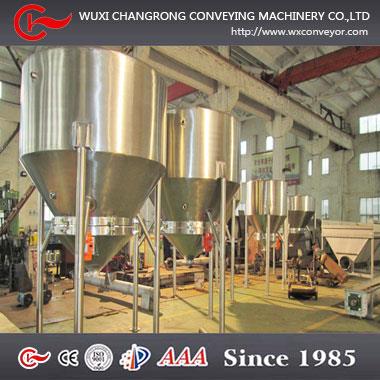

Investing in high - quality insulation materials can pay off in the long run. There are various insulation options available, such as foam insulation, fiberglass, and mineral wool. Each has its own pros and cons, so you need to choose the one that suits your specific silo hopper and the materials it stores. For example, foam insulation is great for its high R - value (a measure of thermal resistance), but it might be more expensive. Fiberglass is more budget - friendly but may require proper installation to avoid issues like settling.
2. Upgrade to Energy - Efficient Equipment
The equipment you use with your silo hopper, like conveyors, blowers, and mixers, can consume a significant amount of energy. Older models are often less energy - efficient compared to newer ones.
When it's time to replace or upgrade your equipment, look for energy - star rated products. These are designed to use less energy without sacrificing performance. For instance, modern blowers are engineered with better aerodynamics and more efficient motors, which can reduce energy consumption by up to 30%.
Also, consider variable frequency drives (VFDs). These devices can adjust the speed of your equipment based on the actual demand. So, if your conveyor doesn't need to run at full speed all the time, the VFD can slow it down, saving energy. It's like driving a car at a steady, moderate speed instead of constantly accelerating and braking.
3. Implement Smart Control Systems
Smart control systems are a game - changer when it comes to reducing energy consumption. These systems use sensors and automation to monitor and control various aspects of your silo hopper operation.
For example, you can install level sensors to detect when the silo is full or almost empty. This information can be used to automatically turn off or adjust the operation of conveyors and other equipment. If the silo is full, there's no need to keep the conveyor running, right?
Another aspect is temperature and humidity control. Smart sensors can detect changes in these conditions and adjust the heating, cooling, or ventilation systems accordingly. This way, you're only using energy when it's actually needed. It's like having a personal assistant that manages your silo's energy use for you.
4. Regular Maintenance
Regular maintenance of your silo hopper and its associated equipment is crucial for energy efficiency. A well - maintained system operates more smoothly and uses less energy.
For the silo itself, check for any leaks or cracks in the structure. Even a small leak can lead to significant heat loss or gain, depending on the outside conditions. Seal any gaps with appropriate materials to prevent energy waste.
As for the equipment, keep it clean and lubricated. Dirty or poorly lubricated parts can cause the equipment to work harder, consuming more energy. Also, make sure to replace worn - out components promptly. A worn - out belt on a conveyor, for example, can slip and require more power to move the materials.
5. Optimize Loading and Unloading Processes
The way you load and unload materials from your silo hopper can also impact energy consumption.
When loading, try to use gravity as much as possible. If you can position your storage area or the source of the materials in a way that allows the materials to flow into the silo by gravity, you'll save a lot of energy that would otherwise be used by conveyors or other lifting equipment.
During unloading, use efficient discharge methods. For example, some silo hoppers are designed with cone - shaped bottoms that allow for easy flow of materials. Make sure the discharge opening is the right size and shape to prevent blockages, which can force you to use more energy to clear them.
6. Consider the Location and Design of the Silo Hopper
The location and design of your silo hopper can have a big influence on energy consumption.
When choosing a location, try to place the silo in an area that is sheltered from strong winds. Wind can cause heat loss from the silo, especially if it's not well - insulated. Also, consider the orientation of the silo. If possible, position it to take advantage of natural sunlight for heating during the winter and to avoid direct sunlight during the summer.
In terms of design, a well - designed silo hopper can reduce the need for excessive energy use. For example, a silo with a proper slope in the hopper section can ensure smooth material flow, reducing the need for mechanical agitation.
Related Products
If you're interested in different types of silo hoppers, we offer a range of products. Check out our Small Cement Silo, which is perfect for small - scale construction projects. Our Flour Silo Systems are designed to store flour efficiently, and we also have Vertical and Horizontal Silos to suit different space and storage requirements.
Conclusion
Reducing the energy consumption of a silo hopper is not only good for your bottom line but also for the environment. By following these tips, you can make your silo hopper operation more energy - efficient. If you're looking to purchase a new silo hopper or upgrade your existing one, feel free to contact us for more information and to discuss your specific needs. We're here to help you find the best solution for your business.
References
- "Energy - Efficient Industrial Equipment Handbook"
- "Silo Design and Operation Guide"
- Industry reports on energy consumption in silo hopper operations