

In industries where handling granular or powdered materials is the norm, auger feeders play a pivotal role. These mechanical devices are designed to transport materials in a controlled manner, ensuring a consistent flow rate. However, when operating in a dusty environment, auger feeders face a unique set of challenges that can compromise their performance and longevity. As a leading supplier of auger feeders, we understand the importance of protecting these valuable assets. In this blog post, we'll explore effective strategies to safeguard auger feeders in dusty conditions.
Understanding the Impact of Dust on Auger Feeders
Dust can have several detrimental effects on auger feeders. Firstly, it can cause abrasive wear. The fine particles in the dust act like sandpaper, gradually wearing down the components of the auger feeder, such as the flighting, shaft, and housing. Over time, this wear can lead to decreased efficiency and eventually, mechanical failure.
Secondly, dust can cause clogging. When dust accumulates inside the auger feeder, it can block the flow of materials, leading to inconsistent feeding and potential damage to the motor or other drive components. Additionally, dust can also infiltrate the bearings and seals, causing them to fail prematurely and increasing the risk of contamination in the conveyed materials.
Sealing Solutions
One of the most effective ways to protect auger feeders in a dusty environment is to implement proper sealing solutions. High - quality seals can prevent dust from entering the internal components of the auger feeder. For example, lip seals can be installed around the shaft to create a barrier against dust. These seals are designed to flex and maintain contact with the shaft, even as it rotates, providing a reliable seal.
Another option is the use of mechanical seals. Mechanical seals are more robust than lip seals and are suitable for high - pressure and high - speed applications. They consist of two flat surfaces that are pressed together to form a seal, preventing dust and other contaminants from entering the system.
In addition to shaft seals, it's also important to seal the housing of the auger feeder. Gaskets can be used to seal the joints between the housing sections, ensuring that dust cannot enter through these gaps. Regular inspection and replacement of seals and gaskets are essential to maintain their effectiveness.
Enclosures and Covers
Installing enclosures and covers around the auger feeder is another great way to protect it from dust. A well - designed enclosure can act as a physical barrier, preventing dust from settling on the auger feeder. The enclosure should be made of a durable material, such as stainless steel or heavy - duty plastic, that can withstand the harsh conditions of a dusty environment.
The enclosure can also be equipped with ventilation systems to remove any dust that may enter. This can be done through the use of exhaust fans or air filters. By maintaining a negative pressure inside the enclosure, dust is less likely to enter, and any dust that does get in can be quickly removed.
Regular Cleaning and Maintenance
Regular cleaning is crucial for protecting auger feeders in a dusty environment. Dust should be removed from the exterior of the auger feeder on a daily basis to prevent it from accumulating and causing damage. This can be done using compressed air or a soft - bristle brush.
Inside the auger feeder, regular cleaning is also necessary to prevent clogging. The frequency of internal cleaning depends on the type of material being conveyed and the amount of dust in the environment. In some cases, it may be necessary to clean the auger feeder after every shift, while in others, weekly or monthly cleaning may be sufficient.
In addition to cleaning, regular maintenance is essential. This includes lubricating the bearings, checking the alignment of the shaft, and inspecting the drive components. By detecting and addressing any issues early, you can prevent more serious problems from occurring and extend the lifespan of the auger feeder.
Filtration Systems
Filtration systems can be integrated into the auger feeder setup to remove dust from the air before it enters the system. There are several types of filtration systems available, such as bag filters, cartridge filters, and cyclone separators.
Bag filters are a popular choice because they are relatively inexpensive and can effectively capture a wide range of dust particles. Cartridge filters, on the other hand, offer higher filtration efficiency and are more suitable for applications where very fine dust particles need to be removed. Cyclone separators are used to separate large dust particles from the air by using centrifugal force.
By using a combination of these filtration systems, you can significantly reduce the amount of dust that reaches the auger feeder, protecting its components and ensuring smooth operation.
Material Selection
The materials used in the construction of the auger feeder can also play a role in its protection in a dusty environment. For example, using abrasion - resistant materials for the flighting and shaft can reduce the wear caused by dust. Stainless steel is a popular choice because it is corrosion - resistant and has good abrasion resistance.
Hard - coated materials can also be used to provide an extra layer of protection. These coatings can be applied to the surfaces of the auger feeder components to increase their hardness and reduce the impact of abrasive dust particles.
Monitoring and Alarm Systems
Implementing monitoring and alarm systems can help you detect potential problems with the auger feeder before they cause significant damage. For example, vibration sensors can be installed on the auger feeder to detect any abnormal vibrations, which may indicate a problem with the bearings or the alignment of the shaft.
Temperature sensors can also be used to monitor the temperature of the motor and other components. An increase in temperature may be a sign of excessive friction or a problem with the cooling system. When these sensors detect an abnormal condition, an alarm can be triggered, alerting the operators to take action.
Integration with Other Equipment
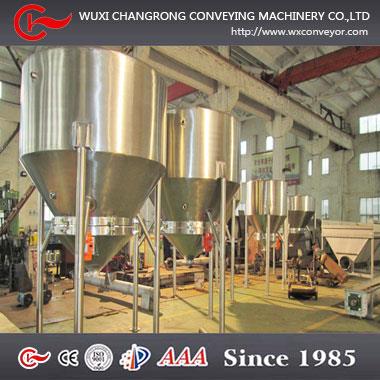
Auger feeders are often used in conjunction with other equipment, such as Vertical and Horizontal Silos, Wheat Storage Silos, and Flour Silo Systems. Proper integration of the auger feeder with these systems can also contribute to its protection in a dusty environment.
For example, when connecting the auger feeder to a silo, it's important to ensure that the connection is airtight to prevent dust from escaping. Additionally, the flow of materials between the auger feeder and other equipment should be carefully controlled to avoid overloading the auger feeder and causing excessive dust generation.
Conclusion
Protecting auger feeders in a dusty environment is essential for maintaining their performance and longevity. By implementing sealing solutions, enclosures, regular cleaning and maintenance, filtration systems, appropriate material selection, monitoring and alarm systems, and proper integration with other equipment, you can effectively safeguard your auger feeders.

As a trusted supplier of auger feeders, we have the expertise and experience to help you choose the right protection measures for your specific application. If you're facing challenges with your auger feeders in a dusty environment or are looking to purchase new auger feeders with enhanced protection features, we invite you to contact us for a detailed discussion. Our team of experts will work closely with you to understand your needs and provide customized solutions.
References
- "Industrial Conveying Equipment Handbook"
- "Dust Control in Manufacturing Processes"
- "Maintenance and Troubleshooting of Auger Feeders"