

Drag conveyors are essential equipment in various industries, including agriculture, mining, and manufacturing. They are used to transport bulk materials such as grains, coal, and chemicals. However, one of the most significant challenges that drag conveyors face is corrosion. Corrosion can lead to reduced efficiency, increased maintenance costs, and even premature failure of the conveyor. As a drag conveyor supplier, I understand the importance of protecting these valuable assets from corrosion. In this blog post, I will share some effective strategies on how to protect a drag conveyor from corrosion.
Understanding the Causes of Corrosion
Before we delve into the prevention methods, it's crucial to understand what causes corrosion in drag conveyors. Corrosion is a natural process that occurs when metal reacts with its environment. In the case of drag conveyors, several factors can contribute to corrosion:
- Moisture: Water is one of the primary catalysts for corrosion. When metal comes into contact with moisture, it can form rust, which weakens the structure of the conveyor.
- Chemicals: In industries where drag conveyors are used to transport chemicals, exposure to corrosive substances can accelerate the corrosion process.
- Temperature and Humidity: High temperatures and humidity levels can create an ideal environment for corrosion to occur.
- Abrasion: The constant movement of materials along the conveyor can cause abrasion, which can remove the protective coating on the metal and expose it to corrosion.
Selecting the Right Materials
One of the most effective ways to protect a drag conveyor from corrosion is to select the right materials during the manufacturing process. Here are some materials that are known for their corrosion resistance:
- Stainless Steel: Stainless steel is a popular choice for drag conveyors due to its high resistance to corrosion. It contains chromium, which forms a thin, protective layer on the surface of the metal, preventing rust from forming.
- Galvanized Steel: Galvanized steel is coated with a layer of zinc, which provides an additional barrier against corrosion. This coating can significantly extend the lifespan of the conveyor.
- Plastic and Composite Materials: In some cases, plastic or composite materials can be used to replace metal components in the conveyor. These materials are lightweight, durable, and resistant to corrosion.
As a drag conveyor supplier, we offer a range of conveyors made from different materials to meet the specific needs of our customers. For example, our Grain Drag Conveyor Drag Chain Conveyor is available in both stainless steel and galvanized steel options, ensuring optimal performance and corrosion resistance in the agricultural industry.
Applying Protective Coatings
In addition to using corrosion-resistant materials, applying protective coatings to the drag conveyor can provide an extra layer of protection. Here are some common types of coatings:
- Paint: A high-quality paint can act as a barrier between the metal and the environment, preventing moisture and chemicals from coming into contact with the surface. It's important to choose a paint that is specifically designed for industrial applications and is resistant to abrasion and corrosion.
- Powder Coating: Powder coating is a process in which a dry powder is applied to the metal surface and then heated to form a hard, durable coating. This coating is more resistant to chipping, scratching, and corrosion than traditional paint.
- Epoxy Coating: Epoxy coatings are known for their excellent chemical resistance and adhesion. They can be used to protect the conveyor from exposure to harsh chemicals and solvents.
Before applying any coating, it's essential to clean and prepare the surface of the conveyor properly. This will ensure that the coating adheres well and provides maximum protection.
Proper Maintenance and Inspection
Regular maintenance and inspection are crucial for preventing corrosion in drag conveyors. Here are some maintenance tips:
- Cleaning: Regularly clean the conveyor to remove any dirt, debris, or chemical residues that may accumulate on the surface. Use a mild detergent and water to clean the conveyor, and avoid using abrasive cleaners that can damage the protective coating.
- Lubrication: Lubricate the moving parts of the conveyor to reduce friction and wear. This will not only improve the efficiency of the conveyor but also prevent corrosion caused by abrasion.
- Inspection: Conduct regular inspections of the conveyor to check for signs of corrosion, such as rust spots, pitting, or flaking paint. If any signs of corrosion are detected, take immediate action to address the issue.
In addition to these maintenance tasks, it's also important to keep the conveyor in a dry and well-ventilated environment. This will help to reduce the humidity levels and prevent moisture from accumulating on the surface of the conveyor.
Environmental Control
Controlling the environment in which the drag conveyor operates can also help to prevent corrosion. Here are some environmental control measures:
- Ventilation: Ensure that the area where the conveyor is located is well-ventilated. This will help to remove any moisture or fumes that may contribute to corrosion.
- Humidity Control: Use dehumidifiers or air conditioning systems to control the humidity levels in the environment. Maintaining a relative humidity of less than 60% can significantly reduce the risk of corrosion.
- Chemical Storage: If the conveyor is used to transport chemicals, store the chemicals in a proper storage facility to prevent spills and leaks. Make sure that the storage area is well-ventilated and equipped with spill containment systems.
Training and Education
Finally, providing training and education to the operators and maintenance personnel is essential for protecting the drag conveyor from corrosion. Here are some training topics that should be covered:
- Corrosion Awareness: Educate the operators and maintenance personnel about the causes and effects of corrosion in drag conveyors. This will help them to recognize the signs of corrosion and take appropriate action.
- Proper Maintenance Procedures: Train the operators and maintenance personnel on the proper maintenance procedures for the conveyor, including cleaning, lubrication, and inspection.
- Safety Procedures: Emphasize the importance of following safety procedures when working with the conveyor, especially when handling chemicals or performing maintenance tasks.
By providing comprehensive training and education, you can ensure that the operators and maintenance personnel are equipped with the knowledge and skills needed to prevent corrosion and keep the conveyor in good working condition.
Conclusion
Protecting a drag conveyor from corrosion is essential for ensuring its long-term performance and reliability. By selecting the right materials, applying protective coatings, performing regular maintenance and inspection, controlling the environment, and providing training and education, you can significantly reduce the risk of corrosion and extend the lifespan of the conveyor.
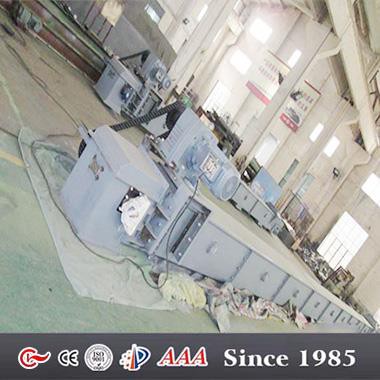

As a drag conveyor supplier, we are committed to providing our customers with high-quality conveyors that are designed to withstand the rigors of industrial applications. If you are interested in learning more about our products or have any questions about protecting your drag conveyor from corrosion, please feel free to contact us. We would be happy to discuss your specific needs and provide you with a customized solution.
References
- ASM Handbook Volume 13A: Corrosion: Fundamentals, Testing, and Protection. ASM International.
- NACE International: Corrosion Basics: An Introduction. NACE International.
- "Corrosion Prevention and Control in Industrial Equipment" by John D. Dillon. Elsevier.