

Sticky materials can pose significant challenges in the operation of drag conveyors. As a seasoned drag conveyor supplier, I've witnessed firsthand the issues that sticky substances can cause, from reduced efficiency to increased maintenance costs. In this blog post, I'll share some effective strategies to prevent sticky materials from adhering to a drag conveyor, ensuring smooth and efficient operations.
Understanding the Problem
Before we delve into the solutions, it's essential to understand why sticky materials adhere to drag conveyors. Sticky substances, such as wet grains, clay, or certain chemicals, have a high surface tension and tend to stick to the conveyor's surfaces. This adhesion can lead to several problems, including:
- Reduced Efficiency: Sticky materials can increase the friction between the conveyor chain and the trough, reducing the conveyor's speed and capacity.
- Increased Wear and Tear: The constant scraping and rubbing of sticky materials against the conveyor components can cause premature wear and tear, leading to costly repairs and replacements.
- Contamination: Sticky materials can accumulate on the conveyor surfaces, leading to cross-contamination between different batches of materials.
- Safety Hazards: The buildup of sticky materials can create a slippery surface, increasing the risk of accidents and injuries.
Strategies to Prevent Adhesion
Now that we understand the problem, let's explore some effective strategies to prevent sticky materials from adhering to a drag conveyor.
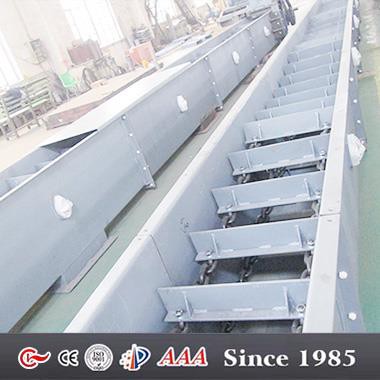
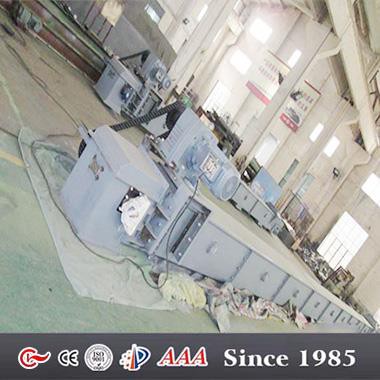
1. Surface Treatment
One of the most effective ways to prevent adhesion is to treat the conveyor's surfaces with a non-stick coating. Non-stick coatings, such as Teflon or silicone, reduce the surface tension of the conveyor surfaces, making it easier for sticky materials to slide off. These coatings can be applied to the conveyor chain, flights, and trough, providing a long-lasting solution to adhesion problems.
2. Lubrication
Lubrication is another essential strategy to prevent adhesion. Applying a lubricant to the conveyor chain and trough reduces the friction between the components, making it easier for sticky materials to move along the conveyor. There are several types of lubricants available, including dry lubricants, oil-based lubricants, and water-based lubricants. The choice of lubricant depends on the type of material being conveyed and the operating conditions of the conveyor.
3. Temperature Control
Temperature can also play a significant role in preventing adhesion. Sticky materials tend to be more viscous at lower temperatures, making them more likely to adhere to the conveyor surfaces. By controlling the temperature of the material and the conveyor, you can reduce the viscosity of the sticky materials, making them easier to convey. This can be achieved by using heaters or coolers, depending on the specific requirements of the application.
4. Design Modifications
In some cases, design modifications to the drag conveyor can help prevent adhesion. For example, using a wider trough or a shallower flight design can reduce the contact area between the sticky materials and the conveyor surfaces, making it easier for the materials to move along the conveyor. Additionally, incorporating a self-cleaning mechanism, such as a scraper or a brush, can help remove any sticky materials that may accumulate on the conveyor surfaces.
5. Material Selection
The choice of materials for the conveyor components can also affect adhesion. Using materials with a low surface energy, such as stainless steel or plastic, can reduce the adhesion of sticky materials. Additionally, choosing materials that are resistant to corrosion and wear can help ensure the longevity of the conveyor.
Case Study: Preventing Adhesion in a Grain Drag Conveyor
To illustrate the effectiveness of these strategies, let's consider a case study of a grain drag conveyor. Grains, especially when wet, can be sticky and prone to adhesion. A grain processing facility was experiencing significant problems with sticky grains adhering to their drag conveyor, leading to reduced efficiency and increased maintenance costs.
As a drag conveyor supplier, we recommended a combination of strategies to address the adhesion problem. First, we applied a non-stick coating to the conveyor chain and trough, reducing the surface tension and making it easier for the grains to slide off. Second, we lubricated the conveyor chain with a food-grade lubricant, reducing the friction and preventing the grains from sticking. Third, we installed a heater to control the temperature of the grains, reducing their viscosity and making them easier to convey. Finally, we modified the flight design to reduce the contact area between the grains and the conveyor surfaces.
After implementing these strategies, the grain processing facility noticed a significant improvement in the performance of their drag conveyor. The adhesion problem was eliminated, and the conveyor's efficiency increased by over 30%. The maintenance costs were also reduced, as there was less wear and tear on the conveyor components.
Conclusion
Preventing sticky materials from adhering to a drag conveyor is essential for ensuring smooth and efficient operations. By understanding the problem and implementing effective strategies, such as surface treatment, lubrication, temperature control, design modifications, and material selection, you can minimize the adhesion of sticky materials and extend the lifespan of your drag conveyor.
If you're experiencing adhesion problems with your drag conveyor or are looking for a reliable drag conveyor supplier, Grain Drag Conveyor Drag Chain Conveyor can provide you with the solutions you need. Our team of experts has extensive experience in designing and manufacturing drag conveyors for a wide range of applications, and we can help you choose the right conveyor and prevention strategies for your specific needs. Contact us today to learn more about our products and services and to discuss your requirements.
References
- Smith, J. (2020). Conveyor Belt Technology: A Comprehensive Guide. Wiley.
- Jones, A. (2019). Handbook of Conveyor Systems. CRC Press.
- Brown, R. (2018). Preventing Material Adhesion in Conveyor Systems. Chemical Engineering Journal.