

Hey there! As a supplier of worm conveyors, I've seen firsthand the importance of optimizing their conveying efficiency. A well - optimized worm conveyor can save you time, money, and a whole lot of headaches. So, let's dive right in and talk about how you can make your worm conveyor work like a champ.
Select the Right Type of Worm Conveyor
First things first, choosing the correct type of worm conveyor is crucial. There are different types available, each designed for specific applications. For instance, if you're dealing with small - scale operations, a Small Screw Conveyor Auger Screw Feeder might be the way to go. These are compact and can handle smaller volumes of materials efficiently.
On the other hand, if you're in an industry where hygiene is a top priority, like the food or pharmaceutical industry, a Stainless Steel Conveyor is a great option. Stainless steel is resistant to corrosion and easy to clean, which helps maintain a high level of sanitation. And for powder feeding systems in the food industry, a Food Grade U Trough Screw Conveyor for Powder Feeding System provides a smooth and efficient way to move powders.
Consider the Material Characteristics
The material you're conveying plays a huge role in the efficiency of your worm conveyor. Different materials have different properties such as density, particle size, and moisture content. For example, if you're conveying a very fine powder, it might be more prone to clogging. In this case, you need to adjust the pitch of the screw and the speed of the conveyor. A larger pitch can help the powder move more freely through the conveyor.
Moisture content also matters. If the material is too wet, it can stick to the screw and the trough, reducing the conveyor's efficiency. You may need to dry the material before conveying or choose a conveyor design that can handle wet materials better.
Optimize the Screw Design
The screw is the heart of the worm conveyor, and its design can significantly impact efficiency. The diameter of the screw is an important factor. A larger diameter screw can handle more material per revolution, but it also requires more power to operate. You need to find the right balance based on your material volume and power requirements.

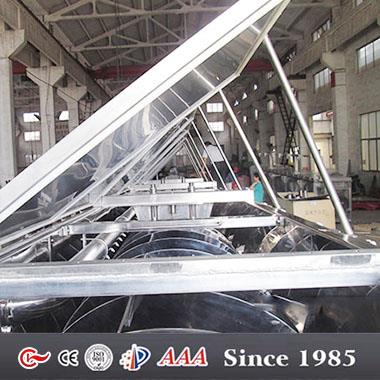
The pitch of the screw is another critical aspect. A constant - pitch screw is the most common type, but for some materials, a variable - pitch screw might be more efficient. A variable - pitch screw can change the speed at which the material is conveyed, which can prevent clogging and improve overall performance.
Control the Speed of the Conveyor
The speed of the worm conveyor is directly related to its conveying efficiency. Running the conveyor too fast can cause the material to spill over or become compacted, while running it too slow can result in low throughput. You need to find the optimal speed for your specific application.
Modern worm conveyors often come with variable speed drives, which allow you to adjust the speed easily. By monitoring the flow of material and making small adjustments to the speed, you can ensure that the conveyor is operating at its peak efficiency.
Maintenance is Key
Regular maintenance is essential for keeping your worm conveyor running smoothly. Check the screw for any signs of wear and tear. Over time, the screw can become damaged, which can affect its ability to convey material efficiently. Replace any worn - out parts promptly.
Lubricate the bearings regularly to reduce friction and prevent premature failure. Clean the trough and the screw to remove any material buildup. A clean conveyor will operate more efficiently and have a longer lifespan.
Minimize the Inlet and Outlet Restrictions
The inlet and outlet of the worm conveyor should be designed to allow for a smooth flow of material. Any restrictions at these points can cause blockages and reduce efficiency. Make sure the inlet is large enough to accommodate the material flow rate, and the outlet is positioned in a way that allows the material to discharge freely.
Use the Right Motor and Power Supply
The motor is what drives the worm conveyor, so it's important to choose the right one. The motor should have enough power to handle the load of the conveyor and the material being conveyed. An underpowered motor will struggle to move the material, leading to reduced efficiency and potential motor damage.
Also, ensure that the power supply is stable. Fluctuations in power can cause the conveyor to operate erratically, affecting its efficiency.
Consider the Conveyor's Installation
The way you install the worm conveyor can also impact its efficiency. Make sure the conveyor is installed on a level surface to prevent uneven wear on the screw and the trough. The alignment of the conveyor is crucial, especially if it's part of a larger system. Misaligned conveyors can cause the material to move unevenly and increase the risk of blockages.
Monitor and Analyze Performance
Keep track of the conveyor's performance over time. Monitor factors such as throughput, power consumption, and the number of blockages. By analyzing this data, you can identify any trends or issues and make adjustments accordingly. For example, if you notice a gradual decrease in throughput, it could be a sign of a worn - out screw or a blockage that needs to be addressed.
In conclusion, optimizing the conveying efficiency of a worm conveyor involves a combination of factors, from choosing the right type and design to proper maintenance and monitoring. By following these tips, you can ensure that your worm conveyor is operating at its best, saving you time and money in the long run.
If you're interested in learning more about our worm conveyors or have any questions about optimizing their efficiency, don't hesitate to reach out. We're here to help you find the perfect solution for your conveying needs. Let's start a conversation and see how we can improve your operations together.
References
- ASME B29.16M - 1985 (R2002), "Specification for Industrial Chain Conveyors".
- CEMA (Conveyor Equipment Manufacturers Association), "Belt Conveyors for Bulk Materials".
- ISO 15379 - 2004, "Conveyor belts - Test method for the measurement of flame retardant properties".