

Operating a silo unloader correctly is crucial for ensuring efficient and safe material handling in various industrial settings. As a trusted silo unloader supplier, we understand the importance of proper operation to maximize productivity and minimize downtime. In this blog post, we will provide a comprehensive guide on how to operate a silo unloader correctly, covering everything from pre - operation checks to post - operation maintenance.
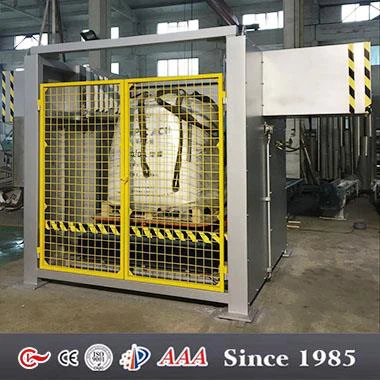

Pre - Operation Checks
Before starting the silo unloader, a series of pre - operation checks should be carried out to ensure its safe and effective operation.
Visual Inspection
- Structural Integrity: Examine the entire structure of the silo unloader, including the frame, support legs, and conveyor components. Look for any signs of damage, such as cracks, bent parts, or loose bolts. A damaged structure can compromise the stability of the unloader and pose a safety risk during operation.
- Conveyor Belt: Inspect the conveyor belt for wear, tear, or misalignment. Check for any foreign objects stuck between the belt and the rollers. A damaged or misaligned belt can lead to inefficient material transfer and may cause the unloader to malfunction.
- Discharge Chute: Ensure that the discharge chute is clear of any blockages. Blockages in the chute can prevent the smooth flow of materials and may cause the unloader to overload.
Electrical and Control Systems
- Power Supply: Verify that the power supply to the silo unloader is stable and within the specified voltage range. Check all electrical connections for tightness and signs of corrosion. Loose connections or corrosion can lead to electrical failures and pose a fire hazard.
- Control Panel: Test the control panel to ensure that all switches, buttons, and indicators are functioning properly. Check the emergency stop button to make sure it can immediately halt the operation of the unloader in case of an emergency.
Safety Devices
- Guardrails and Covers: Ensure that all guardrails and covers are in place and securely fastened. These safety devices are designed to prevent operators from coming into contact with moving parts and reduce the risk of accidents.
- Overload Protection: Check the overload protection devices, such as fuses and circuit breakers, to ensure they are working correctly. Overload protection helps prevent damage to the unloader's motor and other components in case of excessive load.
Starting the Silo Unloader
Once the pre - operation checks are completed and everything is in order, you can start the silo unloader.
Initial Startup
- Follow the Startup Sequence: Refer to the manufacturer's operating manual for the correct startup sequence. In general, start by turning on the power switch, followed by any auxiliary equipment, such as dust collectors or ventilation systems.
- Monitor the Initial Operation: Observe the unloader closely during the initial startup. Listen for any abnormal noises or vibrations, which may indicate a problem with the equipment. Check the conveyor belt speed and the flow of materials to ensure they are within the normal range.
Loading the Silo
- Position the Loading Equipment: If you are using a forklift or other loading equipment to fill the silo, position it carefully to avoid hitting the unloader or causing damage to the silo structure.
- Load the Silo Gradually: Do not overload the silo at once. Gradually add materials to the silo to prevent overloading the unloader and ensure a smooth flow of materials during the unloading process.
Operating the Silo Unloader
During the operation of the silo unloader, it is important to monitor the equipment and take appropriate actions to ensure its proper functioning.
Material Flow Monitoring
- Check the Material Flow Rate: Continuously monitor the flow rate of materials from the silo. Adjust the speed of the conveyor belt or other unloading mechanisms as needed to maintain a consistent flow rate. A too - fast or too - slow flow rate can affect the efficiency of the unloading process and may cause blockages.
- Inspect for Blockages: Regularly check the discharge chute and other areas of the unloader for blockages. If a blockage is detected, stop the unloader immediately and clear the blockage using appropriate tools and procedures.
Equipment Performance Monitoring
- Temperature and Vibration Monitoring: Use temperature sensors and vibration meters to monitor the temperature and vibration levels of the unloader's motor, bearings, and other critical components. Abnormal temperature or vibration levels may indicate a problem with the equipment, such as overheating or misalignment.
- Check the Electrical Parameters: Monitor the electrical parameters, such as current and voltage, of the unloader. Fluctuations in these parameters may indicate an electrical problem or an overload condition.
Safety Precautions
- Keep a Safe Distance: Operators should keep a safe distance from the moving parts of the unloader. Do not attempt to clean or adjust the equipment while it is in operation.
- Wear Personal Protective Equipment (PPE): All operators should wear appropriate PPE, such as safety glasses, gloves, and hard hats, to protect themselves from potential hazards.
Stopping the Silo Unloader
When the unloading process is completed or there is a need to stop the unloader, follow the correct shutdown procedure.
Shutdown Sequence
- Follow the Manufacturer's Instructions: Refer to the operating manual for the correct shutdown sequence. In general, stop the flow of materials into the silo first, followed by turning off the conveyor belt and other unloading mechanisms. Then, turn off the power switch and any auxiliary equipment.
- Allow the Equipment to Cool Down: After shutting down the unloader, allow the equipment to cool down before performing any maintenance or inspection tasks.
Post - Shutdown Inspection
- Clean the Equipment: Remove any remaining materials from the unloader, including the conveyor belt, discharge chute, and other components. Cleaning the equipment regularly helps prevent corrosion and extends its service life.
- Inspect for Damage: Conduct a final inspection of the unloader to check for any damage or wear that may have occurred during the operation. Replace any damaged parts as soon as possible.
Maintenance and Troubleshooting
Regular maintenance is essential for keeping the silo unloader in good working condition. Here are some maintenance tips and common troubleshooting methods.
Regular Maintenance
- Lubrication: Follow the manufacturer's lubrication schedule to lubricate all moving parts, such as bearings, chains, and gears. Proper lubrication reduces friction and wear, extending the service life of the equipment.
- Belt Tension Adjustment: Periodically check and adjust the tension of the conveyor belt. A loose or too - tight belt can cause problems with the material transfer and may lead to premature wear of the belt.
- Filter Replacement: If the unloader is equipped with filters, such as dust filters, replace them regularly to ensure the proper functioning of the dust collection system.
Troubleshooting
- Identify the Problem: If the unloader malfunctions, carefully observe the symptoms, such as abnormal noises, vibrations, or a decrease in performance. Refer to the troubleshooting section of the operating manual to identify the possible causes of the problem.
- Take Appropriate Action: Once the problem is identified, take the appropriate action to fix it. This may involve replacing a damaged part, adjusting a setting, or contacting the manufacturer's technical support team for further assistance.
Post - Operation Maintenance
After the silo unloader has been stopped, perform some post - operation maintenance tasks to prepare the equipment for the next use.
Cleaning
- Remove Residual Materials: Thoroughly clean the unloader to remove any residual materials. Use appropriate cleaning agents and tools to clean the conveyor belt, discharge chute, and other components.
- Clean the Surrounding Area: Clean the area around the unloader to remove any spilled materials or debris. This helps maintain a clean and safe working environment.
Storage
- Store the Equipment Properly: If the unloader will not be used for an extended period, store it in a dry and protected area. Cover the equipment to prevent dust and moisture from causing damage.
As a leading silo unloader supplier, we offer a wide range of high - quality silo unloaders, including the Hybrid Silo Unloader Super Sack Unloading Station and Big Bag Unloading Station Bulk Bag Unloading. Our products are designed to meet the diverse needs of different industries and provide efficient and reliable material handling solutions.
If you are interested in our silo unloaders or have any questions about their operation and maintenance, please feel free to contact us for further information and to discuss your specific requirements. We look forward to working with you to provide the best silo unloader solutions for your business.
References
- Manufacturer's operating manuals for silo unloaders
- Industry standards and guidelines for material handling equipment
- Technical literature on industrial equipment maintenance and troubleshooting