

As a supplier of worm conveyors, I've witnessed firsthand the pivotal role these machines play in various industries, from agriculture to manufacturing. A well - maintained worm conveyor not only ensures efficient operation but also extends the equipment's lifespan, saving you time and money in the long run. In this blog, I'll share some essential tips on how to maintain a worm conveyor.
Regular Inspection
Regular inspections are the cornerstone of worm conveyor maintenance. Start by visually examining the conveyor for any signs of wear and tear. Check the screws or augers for cracks, bends, or excessive corrosion. These issues can lead to reduced conveying efficiency and may even cause the conveyor to jam.
Inspect the housing of the conveyor as well. Look for any leaks, dents, or loose fittings. A damaged housing can allow material to escape, creating a mess and potentially causing safety hazards. Pay close attention to the joints and connections between different parts of the conveyor. Loose connections can lead to vibrations and misalignment, which can further damage the conveyor over time.
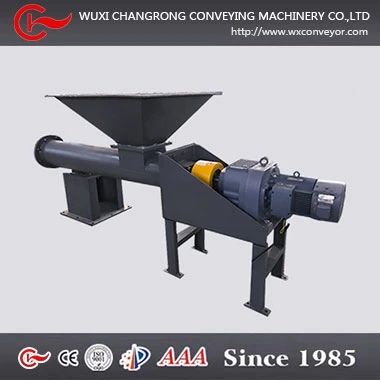
It's also important to check the drive system. This includes the motor, gearbox, and belts or chains. Listen for any unusual noises coming from the drive system, as this could indicate a problem such as a worn - out bearing or a loose belt. Check the tension of the belts or chains regularly to ensure they are not too tight or too loose. A properly tensioned drive system will operate more efficiently and have a longer lifespan.

Lubrication
Proper lubrication is crucial for the smooth operation of a worm conveyor. The moving parts of the conveyor, such as the bearings, gears, and chains, need to be lubricated regularly to reduce friction and prevent wear. Use a high - quality lubricant recommended by the conveyor manufacturer.
When lubricating the conveyor, follow the manufacturer's guidelines regarding the type of lubricant to use, the frequency of lubrication, and the amount of lubricant required. Over - lubrication can be just as harmful as under - lubrication, as it can attract dirt and debris, leading to increased wear and potential damage to the conveyor.
For example, the bearings in the conveyor should be lubricated at regular intervals. If the conveyor operates in a harsh environment, such as a dusty or wet area, the lubrication schedule may need to be adjusted accordingly. Always clean the lubrication points before applying new lubricant to ensure that no dirt or debris is introduced into the system.
Cleaning
Keeping the worm conveyor clean is essential for its proper functioning. After each use, remove any remaining material from the conveyor. This can prevent material buildup, which can cause the conveyor to become unbalanced and reduce its efficiency.
Use a suitable cleaning agent to clean the conveyor. Avoid using abrasive cleaners that can damage the surface of the conveyor. For conveyors that handle food or other sensitive materials, use a food - grade cleaning agent to ensure compliance with health and safety regulations.
Clean the screws or augers thoroughly to remove any material that may be stuck to them. This can be done using a brush or a compressed air gun. Make sure to clean the housing of the conveyor as well, including the interior walls and the discharge chute.
Alignment
Proper alignment of the worm conveyor is vital for its efficient operation. Misaligned conveyors can cause excessive wear on the screws or augers, as well as the housing. Check the alignment of the conveyor regularly, especially after any maintenance work or if the conveyor has been moved.
Use alignment tools to ensure that the conveyor is straight and level. If the conveyor is not properly aligned, it can lead to uneven loading of the screws or augers, which can cause premature failure. Adjust the mounting bolts or supports as necessary to correct any alignment issues.
Belt and Chain Maintenance
If your worm conveyor uses belts or chains for its drive system, proper maintenance of these components is essential. Check the condition of the belts or chains regularly for signs of wear, such as cracks, fraying, or stretching. Replace any worn - out belts or chains immediately to prevent breakdowns.
Adjust the tension of the belts or chains as needed. A loose belt or chain can slip, reducing the efficiency of the conveyor, while a tight belt or chain can put excessive stress on the drive system, leading to premature failure. Follow the manufacturer's guidelines for belt and chain tension adjustment.
Training and Operator Awareness
Ensure that the operators of the worm conveyor are properly trained. They should be familiar with the correct operating procedures, safety guidelines, and maintenance requirements of the conveyor. A well - trained operator can detect early signs of problems and take appropriate action to prevent major breakdowns.
Provide regular training sessions to update the operators' knowledge and skills. Encourage operators to report any unusual noises, vibrations, or other issues they notice during the operation of the conveyor. This can help in identifying and addressing problems before they escalate.
Spare Parts Management
Maintaining an inventory of essential spare parts is a smart move. This can reduce downtime in case of a breakdown. Keep spare parts such as bearings, belts, chains, and screws or augers on hand. Make sure to source these spare parts from a reliable supplier to ensure their quality.
Regularly check the condition of the spare parts in your inventory. Replace any parts that are approaching the end of their shelf life or show signs of damage. This will ensure that you have high - quality spare parts available when you need them.
Upgrades and Improvements
Consider upgrading your worm conveyor from time to time. Newer models may offer improved efficiency, reliability, and safety features. For example, some modern worm conveyors are equipped with advanced monitoring systems that can detect problems in real - time and alert the operators.
When upgrading your conveyor, consult with the manufacturer or a professional engineer. They can help you determine the most suitable upgrades for your specific application. Upgrading your conveyor can not only improve its performance but also extend its lifespan.
Conclusion
Maintaining a worm conveyor is a multi - faceted process that requires regular inspection, proper lubrication, cleaning, alignment, and more. By following these maintenance tips, you can ensure that your worm conveyor operates efficiently and reliably for years to come.
If you're in the market for a new worm conveyor or need more information on maintenance, we're here to help. We offer a wide range of worm conveyors, including Stainless Steel Dry Screw Conveyors, Screw Conveyors and Feeders, and Vertical Screw Feeder. Contact us to discuss your requirements and explore how our products can meet your needs.
References
- Manufacturer's manuals for worm conveyors
- Industry standards and best practices for conveyor maintenance