

Hey there! As a mixer supplier, I often get asked about how to lubricate a mixer. It's a crucial part of mixer maintenance, and getting it right can extend the life of your equipment and keep it running smoothly. So, let's dive into the ins and outs of lubricating a mixer.
Why Lubrication Matters
First off, why do we even need to lubricate a mixer? Well, mixers have a lot of moving parts. The gears, bearings, and shafts all rub against each other during operation. Without proper lubrication, this friction can cause excessive wear and tear, leading to breakdowns and costly repairs. Lubrication reduces friction, dissipates heat, and protects the metal surfaces from corrosion. It's like giving your mixer a health boost to keep it in top - notch condition.
Types of Mixers and Their Lubrication Needs
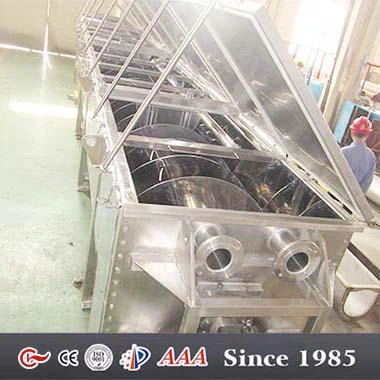
There are different types of mixers out there, and each has its own lubrication requirements. For example, a Conveyor Screw Coffee Screw Ribbon Mixer for Coffee System used in the coffee industry has to be lubricated with food - grade lubricants to ensure the safety of the coffee product. These lubricants are specially formulated to be non - toxic and won't contaminate the coffee.
On the other hand, a Sludge Mixer Mixing Screw Conveyors used in wastewater treatment plants may need heavy - duty lubricants that can withstand harsh conditions. The sludge can be abrasive, and the lubricant needs to provide a strong protective film on the moving parts.
Choosing the Right Lubricant
Picking the right lubricant is super important. You need to consider factors like the type of mixer, the operating conditions, and the manufacturer's recommendations.
- Viscosity: This is a measure of how thick or thin the lubricant is. In high - speed applications, a thinner lubricant (lower viscosity) is usually better as it can flow easily and reduce drag. For heavy - load applications, a thicker lubricant (higher viscosity) is needed to provide sufficient protection.
- Additives: Some lubricants come with additives that enhance their performance. For example, anti - wear additives can reduce the wear on the moving parts, and anti - oxidant additives can prevent the lubricant from breaking down over time.
- Compatibility: Make sure the lubricant is compatible with the materials used in the mixer. Some lubricants may react with certain metals or seals, causing damage.
Lubrication Process
Now, let's talk about the actual lubrication process.
Step 1: Preparation
Before you start lubricating, you need to prepare the mixer. First, turn off the power and make sure the mixer has come to a complete stop. This is a safety precaution to avoid any accidents. Then, clean the areas where you'll be applying the lubricant. Remove any dirt, debris, or old lubricant. You can use a clean cloth or a brush for this.
Step 2: Identify Lubrication Points
Every mixer has specific lubrication points. These are usually marked in the user manual. Common lubrication points include bearings, gears, and shafts. Take your time to locate these points accurately.
Step 3: Apply the Lubricant
Once you've identified the lubrication points, it's time to apply the lubricant. Use the appropriate tool for the job. For small lubrication points, you might use a grease gun or a dropper. For larger areas, you could use a brush or a spray. Apply the lubricant evenly, making sure to cover all the moving parts.
Step 4: Check the Quantity
Don't over - lubricate or under - lubricate. Over - lubrication can cause the lubricant to leak, attract dirt, and even lead to overheating. Under - lubrication won't provide enough protection. Refer to the manufacturer's guidelines for the correct quantity of lubricant to use.
Step 5: Clean Up
After lubricating, clean up any excess lubricant. This helps keep the mixer clean and reduces the risk of attracting dirt and debris.
Lubrication Schedule
Establishing a regular lubrication schedule is key to maintaining your mixer. The frequency of lubrication depends on factors like the type of mixer, the operating hours, and the environmental conditions.

- Daily or Weekly: For mixers that are used continuously or in harsh environments, you may need to lubricate some parts daily or weekly. For example, the bearings in a high - speed mixer may require more frequent lubrication.
- Monthly or Quarterly: Other parts, like gears, may only need to be lubricated monthly or quarterly. Check the manufacturer's recommendations for a detailed schedule.
Monitoring and Maintenance
Lubrication isn't a one - time thing. You need to monitor the lubrication system regularly.
- Visual Inspection: Look for signs of leaks, excessive wear, or strange noises. If you notice any of these, it could be a sign that there's a problem with the lubrication.
- Lubricant Analysis: Periodically, you can send a sample of the lubricant for analysis. This can tell you if the lubricant is still in good condition and if there are any contaminants in it.
Troubleshooting
Sometimes, you may run into issues with lubrication. Here are some common problems and how to solve them.
- Lubricant Leakage: This could be due to a damaged seal or over - lubrication. Check the seals and adjust the amount of lubricant you're applying.
- Excessive Wear: If you notice excessive wear on the moving parts, it could be because the lubricant isn't providing enough protection. Check the lubricant type and quantity, and consider changing to a different lubricant if necessary.
- Noisy Operation: A noisy mixer could be a sign of poor lubrication. Check the lubrication points and make sure they're properly lubricated.
Conclusion
Lubricating a mixer is an essential part of its maintenance. By choosing the right lubricant, following the correct lubrication process, and establishing a regular lubrication schedule, you can keep your mixer running smoothly and extend its lifespan.
If you're in the market for a new mixer or need more information about mixer lubrication, don't hesitate to reach out. We're here to help you make the best choice for your business. Whether you need a Conveyor Screw Coffee Screw Ribbon Mixer for Coffee System or a Sludge Mixer Mixing Screw Conveyors, we've got you covered. Let's have a chat and see how we can meet your needs.
References
- Mixer Manufacturer's User Manuals
- Lubricant Manufacturer's Technical Data Sheets
- Industry Standards for Mixer Lubrication