

As a leading supplier of screw loaders, I often receive inquiries from customers about the installation process of screw loaders on mobile platforms. In this blog post, I will share a detailed guide on how to install a screw loader on a mobile platform, providing step - by - step instructions and some essential tips.
1. Pre - installation Preparation
Before you start the installation, it is crucial to make thorough preparations.

- Understand the Mobile Platform: First, you need to have a comprehensive understanding of the mobile platform where the screw loader will be installed. Check its size, structure, weight - bearing capacity, and available space for the installation. Make sure that the platform can support the weight and operation of the screw loader.
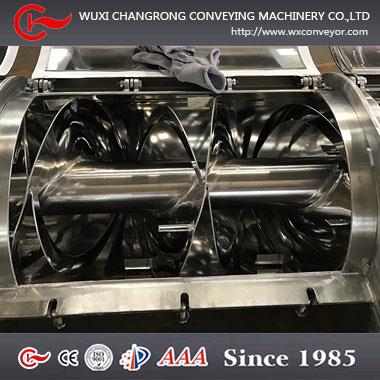
- Inspect the Screw Loader: Carefully inspect the screw loader you have purchased. Check for any damage during transportation, and ensure that all components are included. The screw loader usually consists of a screw conveyor, a motor, a control system, and support frames. Refer to the product manual for a detailed list of components. You can also learn more about the design of screw conveyors from Helical Screw Conveyor Design.
- Gather Tools and Equipment: Prepare all the necessary tools and equipment for the installation, such as wrenches, screwdrivers, lifting devices (if required), and safety gear.
2. Positioning the Screw Loader
- Select the Installation Location: Choose a suitable location on the mobile platform for the screw loader. Consider factors such as the feeding and discharging points, accessibility for maintenance, and the overall balance of the platform. The location should allow for easy connection to the power source and other relevant systems.
- Leveling: Use a leveling instrument to ensure that the installation surface is level. A non - level surface can cause uneven stress on the screw loader, leading to premature wear and potential operational problems.
3. Mounting the Support Frames
- Attach the Support Frames to the Mobile Platform: The support frames play a vital role in securing the screw loader. Align the support frames with the pre - drilled holes on the mobile platform and use appropriate bolts and nuts to fasten them tightly. Make sure the frames are firmly attached to prevent any movement during operation.
- Check the Stability: After mounting the support frames, check their stability. You can gently shake the frames to see if there is any excessive movement. If necessary, make adjustments to the bolts or add additional support if the frames seem unstable.
4. Installing the Screw Conveyor
- Lift the Screw Conveyor: Use a lifting device, such as a crane or a forklift, to lift the screw conveyor onto the support frames. Be extremely careful during the lifting process to avoid any damage to the conveyor or injury to the operators.
- Align and Connect: Align the screw conveyor with the support frames and connect it securely. Use bolts or other connection methods as specified in the product manual. Ensure that the conveyor is properly aligned to prevent any jamming or misalignment during operation.
- Install the Inlet and Outlet Chutes: Attach the inlet and outlet chutes to the screw conveyor. The inlet chute is where the material will be fed into the conveyor, and the outlet chute is where the material will be discharged. Make sure the chutes are well - sealed to prevent material leakage.
5. Installing the Motor and Control System
- Mount the Motor: Locate the motor mounting position on the screw loader and mount the motor securely. Connect the motor to the screw conveyor using a coupling or other transmission devices. Ensure that the motor is properly aligned with the conveyor to ensure efficient power transmission.
- Connect the Control System: Install the control system, which usually includes a control panel, sensors, and wiring. Connect the control system to the motor and other components of the screw loader. Follow the wiring diagram provided in the product manual to ensure correct connections. Test the control system to make sure all functions are working properly.
6. Testing and Commissioning
- Initial Inspection: Before starting the screw loader, conduct a final inspection of all the installed components. Check for any loose bolts, proper wiring connections, and the integrity of the chutes.
- Lubrication: Lubricate all the moving parts of the screw loader as recommended in the product manual. Proper lubrication can reduce friction and wear, extending the service life of the equipment.
- Power On and Test Run: Power on the screw loader and perform a test run. Start the motor at a low speed and observe the operation of the conveyor. Check for any abnormal noises, vibrations, or leaks. If any problems are found, stop the machine immediately and troubleshoot the issue.
- Load Testing: After a successful test run at low speed, gradually increase the load and continue to monitor the performance of the screw loader. Make sure it can handle the expected material flow rate and operating conditions.
7. Maintenance and Safety Considerations
- Regular Maintenance: Establish a regular maintenance schedule for the screw loader. This includes cleaning the conveyor, checking the lubrication levels, inspecting the wear parts, and tightening the bolts. Regular maintenance can prevent breakdowns and ensure the long - term reliable operation of the equipment.
- Safety Precautions: Always follow safety procedures when operating and maintaining the screw loader. Provide appropriate safety guards around the moving parts to prevent accidental contact. Train the operators on the proper use and safety precautions of the equipment.
8. Additional Tips and Variations
- For Cooling or Dewatering Applications: If you are using a screw loader for cooling or dewatering purposes, you may need to consider special designs. For example, Cooling Screw Conveyor Plug Screw Conveyor and Plastic Screw Conveyor Dewatering Screw Conveyors have unique features and installation requirements. Make sure to follow the specific guidelines for these types of screw loaders.
- Mobile Platform Adaptation: Different mobile platforms may require some adaptations during the installation. For example, if the platform has a limited power supply, you may need to select a more energy - efficient motor or use a power - management system.
In conclusion, installing a screw loader on a mobile platform requires careful planning, proper execution, and attention to detail. By following the steps outlined in this guide, you can ensure a successful installation and reliable operation of your screw loader.

If you are interested in purchasing a screw loader or have any questions about the installation process, we are here to help. Our team of experts can provide you with professional advice and support. Contact us for more information and to start a procurement negotiation.

References
- Manufacturer's product manuals for screw loaders
- Industry standards and guidelines for conveyor installation and operation