

Auger feeders are essential components in various industrial processes, especially those involving the handling and transfer of granular or powdery materials. Their ability to convey materials efficiently and accurately makes them indispensable in industries such as agriculture, food processing, and construction. However, one of the most significant challenges faced by auger feeders is wear and tear, which can lead to reduced performance, increased maintenance costs, and even system failures. As an experienced auger feeder supplier, I understand the importance of improving wear resistance to ensure the longevity and reliability of these vital machines. In this blog post, I will share some practical strategies and tips on how to enhance the wear resistance of auger feeders.
Understanding the Causes of Wear in Auger Feeders
Before delving into the solutions, it is crucial to understand the primary causes of wear in auger feeders. Wear in auger feeders typically occurs due to the following factors:
- Abrasion: Abrasion is the most common cause of wear in auger feeders. As the auger rotates, it comes into contact with the materials being conveyed, causing friction and wear on the auger flighting and tube. The hardness and granularity of the materials, as well as the speed and pressure of the conveying process, can significantly affect the rate of abrasion.
- Corrosion: Corrosion can also contribute to the wear of auger feeders, especially when they are used in environments with high humidity, chemical exposure, or acidic materials. Corrosion can weaken the structural integrity of the auger and tube, making them more susceptible to damage and wear.
- Impact: Impact wear can occur when the auger feeder is subjected to sudden shocks or impacts, such as when handling large or heavy materials. Impact wear can cause cracks, dents, and deformation in the auger and tube, leading to premature failure.
Selecting the Right Materials
One of the most effective ways to improve the wear resistance of auger feeders is to select the right materials for their construction. The choice of materials depends on several factors, including the type of materials being conveyed, the operating environment, and the budget. Here are some common materials used in the construction of auger feeders and their wear-resistant properties:
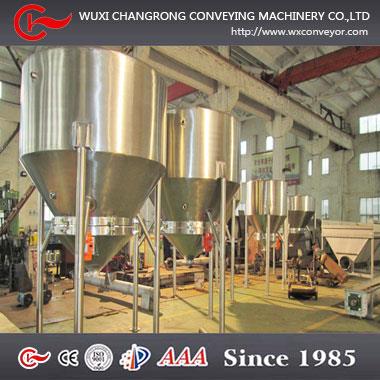

- Stainless Steel: Stainless steel is a popular choice for auger feeders due to its excellent corrosion resistance and durability. It is suitable for use in environments with high humidity, chemical exposure, or acidic materials. Stainless steel augers and tubes can withstand abrasion and impact wear, making them ideal for long-term use.
- Hardened Steel: Hardened steel is a high-strength material that has been heat-treated to increase its hardness and wear resistance. It is commonly used in applications where the auger feeder is subjected to high levels of abrasion and impact, such as in the mining and construction industries. Hardened steel augers and tubes can provide superior performance and longevity compared to standard steel.
- Ceramics: Ceramics are extremely hard and wear-resistant materials that can provide excellent protection against abrasion and corrosion. They are often used as liners or coatings for auger feeders to reduce wear and extend their service life. Ceramics can withstand high temperatures and harsh environments, making them suitable for use in a wide range of applications.
- Polyurethane: Polyurethane is a flexible and durable material that can provide excellent resistance to abrasion, impact, and corrosion. It is commonly used as a lining material for auger feeders to reduce friction and wear. Polyurethane liners can also help to prevent material buildup and blockages, improving the efficiency of the conveying process.
Optimizing the Design of Auger Feeders
In addition to selecting the right materials, optimizing the design of auger feeders can also help to improve their wear resistance. Here are some design considerations to keep in mind:
- Flighting Design: The design of the auger flighting can significantly affect its wear resistance. A well-designed flighting should have a smooth surface finish to reduce friction and wear. It should also have a proper pitch and helix angle to ensure efficient material conveyance and minimize the risk of material buildup and blockages.
- Tube Design: The design of the auger tube can also impact its wear resistance. The tube should have a smooth interior surface to reduce friction and wear. It should also be properly sized and supported to prevent deformation and damage. Additionally, the tube can be lined with a wear-resistant material, such as ceramics or polyurethane, to further enhance its wear resistance.
- Clearance Design: The clearance between the auger flighting and the tube is another important design consideration. A proper clearance should be maintained to prevent excessive friction and wear. If the clearance is too small, the auger may rub against the tube, causing premature wear. If the clearance is too large, the material may not be conveyed efficiently, leading to material buildup and blockages.
Implementing Proper Maintenance Practices
Proper maintenance is essential for ensuring the long-term performance and wear resistance of auger feeders. Here are some maintenance practices that can help to extend the service life of auger feeders:
- Regular Inspection: Regular inspection of the auger feeder is crucial for detecting any signs of wear, damage, or corrosion. Inspect the auger flighting, tube, bearings, and drive system for any cracks, dents, or deformation. Check the lubrication levels and ensure that all components are properly tightened and aligned.
- Cleaning and Lubrication: Keeping the auger feeder clean and properly lubricated can help to reduce friction and wear. Regularly clean the auger flighting and tube to remove any material buildup or debris. Lubricate the bearings and drive system according to the manufacturer's recommendations to ensure smooth operation.
- Replacement of Worn Components: As the auger feeder wears over time, it is important to replace any worn or damaged components promptly. This can help to prevent further damage and ensure the continued performance of the auger feeder. Keep a stock of spare parts on hand to minimize downtime in case of a component failure.
Using Wear-Resistant Coatings and Liners
Another effective way to improve the wear resistance of auger feeders is to use wear-resistant coatings and liners. These coatings and liners can provide an additional layer of protection against abrasion, corrosion, and impact wear. Here are some common types of wear-resistant coatings and liners used in auger feeders:
- Ceramic Coatings: Ceramic coatings are extremely hard and wear-resistant materials that can provide excellent protection against abrasion and corrosion. They can be applied to the surface of the auger flighting and tube to reduce wear and extend their service life. Ceramic coatings can withstand high temperatures and harsh environments, making them suitable for use in a wide range of applications.
- Polyurethane Liners: Polyurethane liners are flexible and durable materials that can provide excellent resistance to abrasion, impact, and corrosion. They can be used as liners for the auger tube to reduce friction and wear. Polyurethane liners can also help to prevent material buildup and blockages, improving the efficiency of the conveying process.
- Hard Chrome Plating: Hard chrome plating is a process of depositing a layer of chromium onto the surface of the auger flighting and tube to increase its hardness and wear resistance. Hard chrome plating can provide excellent protection against abrasion and corrosion, making it suitable for use in applications where the auger feeder is subjected to high levels of wear.
Conclusion
Improving the wear resistance of auger feeders is essential for ensuring their long-term performance and reliability. By selecting the right materials, optimizing the design, implementing proper maintenance practices, and using wear-resistant coatings and liners, you can significantly extend the service life of your auger feeders and reduce maintenance costs. As an auger feeder supplier, I am committed to providing high-quality products and solutions that meet the specific needs of our customers. If you are interested in learning more about how to improve the wear resistance of your auger feeders or would like to discuss your specific requirements, please do not hesitate to contact us. We look forward to the opportunity to work with you and help you optimize your industrial processes.
References
- "Auger Feeder Design and Operation" by John Doe
- "Wear Resistance of Materials in Industrial Applications" by Jane Smith
- "Maintenance and Troubleshooting of Auger Feeders" by Bob Johnson