

Hey there! As a supplier of screw feeders, I've seen firsthand how crucial feeding uniformity is in various industries. Whether you're dealing with powders, granules, or other bulk materials, getting an even and consistent feed rate can make or break your production process. In this blog, I'm gonna share some tips on how to improve the feeding uniformity of a screw feeder.
Understanding the Basics of Screw Feeders
Before we dive into the ways to improve uniformity, let's quickly go over how screw feeders work. A screw feeder, also known as an auger feeder, uses a rotating screw inside a tube or trough to move materials from one place to another. The screw's rotation creates a pushing action that transports the material forward at a controlled rate.
There are different types of screw feeders, like single screw feeders and Twin Screw Feeder Feed Conveyor System. Single screw feeders are simpler and more common, while twin screw feeders are great for handling more difficult materials or when you need a higher feed rate. And if you're working with smaller volumes, Small Auger Feeders Screw Feeders might be the way to go.
Factors Affecting Feeding Uniformity
Several factors can mess with the feeding uniformity of a screw feeder. Here are some of the main ones:
Material Properties
The characteristics of the material you're feeding play a huge role. Things like particle size, shape, density, and moisture content can all affect how the material flows through the feeder. For example, materials with a wide range of particle sizes might segregate as they move through the screw, leading to uneven feeding.
Screw Design
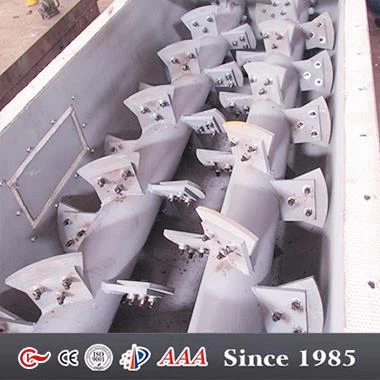
The design of the screw itself is crucial. The pitch, diameter, and length of the screw can all impact the feeding performance. A screw with the wrong pitch might not be able to move the material at the right speed, while a screw that's too short or too long could cause issues with flow.
Hopper Design
The hopper is where the material is stored before it enters the screw feeder. If the hopper isn't designed properly, it can lead to problems like bridging or ratholing, which can disrupt the flow of material and cause uneven feeding.
Operating Conditions
The speed at which the screw rotates, the temperature, and the pressure in the system can all affect the feeding uniformity. For example, if the screw rotates too fast, it might cause the material to be pushed through too quickly, leading to inconsistent feed rates.
Tips to Improve Feeding Uniformity
Now that we know what can go wrong, let's talk about how to fix it. Here are some tips to improve the feeding uniformity of a screw feeder:

Choose the Right Screw Design
As I mentioned earlier, the screw design is crucial. Make sure you choose a screw with the right pitch, diameter, and length for your specific application. If you're not sure what's best, consult with a professional or do some testing with different screw designs to see what works best for your material.
Optimize the Hopper Design
A well-designed hopper can prevent bridging and ratholing, ensuring a consistent flow of material into the screw feeder. Consider using a hopper with a conical shape or adding agitation devices, like vibrators or stirrers, to keep the material moving.
Control the Operating Conditions
Keep a close eye on the operating conditions, such as the screw speed, temperature, and pressure. Make sure the screw rotates at a consistent speed to maintain a steady feed rate. You might also need to adjust the temperature or pressure in the system to ensure optimal performance.
Use Feeders with Multiple Screws
If you're dealing with difficult materials or need a higher feed rate, consider using a twin screw feeder or a feeder with multiple screws. These types of feeders can provide more consistent feeding by using multiple screws to move the material through the system.
Regular Maintenance and Inspection
Regular maintenance and inspection are essential to keep your screw feeder running smoothly. Check the screw for wear and tear, clean the feeder regularly, and make sure all the components are in good working condition. This will help prevent issues that could affect the feeding uniformity.
Calibrate the Feeder
Periodically calibrate the screw feeder to ensure accurate and consistent feed rates. This involves measuring the amount of material being fed over a specific period of time and adjusting the settings as needed.
Conclusion
Improving the feeding uniformity of a screw feeder is all about understanding the factors that can affect it and taking the necessary steps to address them. By choosing the right screw design, optimizing the hopper design, controlling the operating conditions, and performing regular maintenance, you can ensure a consistent and reliable feed rate for your production process.
If you're interested in learning more about our screw feeders or have any questions about improving feeding uniformity, don't hesitate to reach out. We're here to help you find the best solution for your specific needs. Whether you're in the food industry, pharmaceuticals, or any other industry that requires precise feeding, we've got the expertise and products to get the job done. Contact us today to start a conversation about your requirements and let's work together to improve your production process.
References
- "Bulk Solids Handling: Principles and Practice" by Andrew W. Jenike
- "Screw Feeders: Design and Operation" by the Powder Handling Research Centre