

As a custom mixer supplier, I understand the paramount importance of durability in the performance of our products. A durable mixer not only ensures long - term, reliable operation but also significantly reduces maintenance costs and downtime for our customers. In this blog, I will share several effective strategies to improve the durability of custom mixers.
1. Material Selection
The choice of materials is the cornerstone of a durable mixer. High - quality materials can withstand wear, corrosion, and high - stress environments.

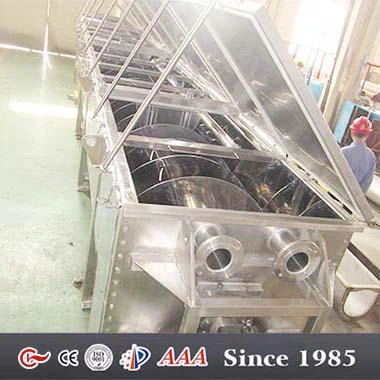
Metals
- Stainless Steel: It is a popular choice for mixers, especially those used in food, pharmaceutical, and chemical industries. Stainless steel offers excellent corrosion resistance, which is crucial when dealing with aggressive chemicals or substances that can cause rust. For example, in a chemical mixing process where acidic solutions are involved, a stainless - steel mixer can prevent the formation of rust that could contaminate the product and damage the mixer itself.
- Carbon Steel: This is a cost - effective option for mixers in less corrosive environments. It has high strength and can handle heavy loads. However, carbon steel is prone to rust, so proper surface treatment, such as painting or galvanizing, is necessary to enhance its durability.
Non - Metals
- Polyurethane: It is a flexible and abrasion - resistant material. Polyurethane linings can be used inside the mixer to protect the metal parts from wear caused by abrasive materials. For instance, in a mixer used for mixing sand or gravel, a polyurethane lining can extend the lifespan of the mixer by reducing the impact of the abrasive particles on the metal surface.
- Ceramics: Ceramics are extremely hard and resistant to wear and corrosion. They can be used in applications where high - precision mixing and extreme durability are required. For example, in the semiconductor industry, ceramic mixers are used to ensure the purity of the mixed materials and to prevent contamination.
2. Design Optimization
A well - designed mixer can distribute stress evenly, reduce friction, and prevent premature failure.
Mixing Blade Design
- Proper Shape and Angle: The shape and angle of the mixing blades play a crucial role in the efficiency and durability of the mixer. Blades with a streamlined shape can reduce the resistance during mixing, which in turn reduces the stress on the blades and the motor. For example, a helical - shaped blade can provide a more gentle and efficient mixing action compared to a flat blade, reducing the likelihood of blade breakage.
- Reinforcement: Adding reinforcements to the mixing blades, such as ribs or thicker edges, can increase their strength. This is especially important when the mixer is used to mix high - viscosity or abrasive materials.
Housing Design
- Adequate Wall Thickness: The housing of the mixer should have an appropriate wall thickness to withstand the internal pressure and external impacts. A thicker wall can prevent deformation and cracking, especially in large - scale mixers or those operating under high - pressure conditions.
- Easy Access for Maintenance: A well - designed housing should allow easy access to the internal components for inspection, cleaning, and maintenance. This can help detect and address potential problems before they lead to major failures.
3. Manufacturing Quality Control
Strict quality control during the manufacturing process is essential to ensure the durability of custom mixers.
Precision Machining
- Accurate Dimensions: All components of the mixer, including the shafts, blades, and housing, should be machined to precise dimensions. This ensures proper fit and alignment, reducing friction and wear. For example, if the shaft is not machined to the correct diameter, it can cause uneven rotation and premature bearing failure.
- Smooth Surface Finish: A smooth surface finish on the components can reduce friction and prevent the accumulation of materials. This is particularly important in applications where the mixer needs to be cleaned regularly, such as in the food industry.
Welding and Assembly
- High - Quality Welding: Welding is a critical process in mixer manufacturing. High - quality welds can ensure the structural integrity of the mixer. Poorly welded joints can lead to cracks and failures over time. Welders should be trained and certified to ensure the quality of the welds.
- Proper Assembly: Components should be assembled correctly to ensure the proper functioning of the mixer. This includes proper alignment of the shafts, bearings, and blades. Incorrect assembly can cause excessive vibration, which can damage the mixer and reduce its durability.
4. Regular Maintenance and Inspection
Regular maintenance and inspection can detect and address potential problems before they become serious, thereby extending the lifespan of the mixer.
Lubrication
- Appropriate Lubricants: Using the right lubricants for the bearings, gears, and other moving parts is crucial. Lubricants can reduce friction, prevent wear, and dissipate heat. Different types of mixers may require different lubricants depending on the operating conditions, such as temperature and load.
- Regular Lubrication Schedule: A regular lubrication schedule should be established to ensure that the moving parts are always properly lubricated. Over - lubrication or under - lubrication can both cause problems, so it is important to follow the manufacturer's recommendations.
Inspection
- Visual Inspection: Regular visual inspections can detect signs of wear, corrosion, or damage. This includes checking the condition of the mixing blades, shafts, bearings, and housing. Any signs of cracks, deformation, or excessive wear should be addressed immediately.
- Performance Testing: Periodic performance testing can ensure that the mixer is operating at its optimal level. This includes measuring the mixing efficiency, power consumption, and vibration levels. Any significant changes in these parameters may indicate a problem with the mixer.
5. Application - Specific Considerations
Different applications may require different strategies to improve the durability of the mixer.
High - Viscosity Materials
- Powerful Motor: Mixing high - viscosity materials requires a more powerful motor to overcome the resistance. A motor with sufficient power can prevent overloading and premature motor failure.
- Robust Mixing Mechanism: A more robust mixing mechanism, such as a double - helix or planetary mixer, may be required to ensure thorough mixing of high - viscosity materials. These mechanisms can provide a stronger mixing action and are more durable under high - load conditions.
Abrasive Materials
- Wear - Resistant Linings: As mentioned earlier, wear - resistant linings, such as polyurethane or ceramics, can be used to protect the mixer from the abrasive action of the materials.
- Hardened Components: Components that come into contact with abrasive materials, such as the mixing blades and the housing, can be made of hardened materials to increase their wear resistance.
Conclusion
Improving the durability of a custom mixer requires a comprehensive approach that includes material selection, design optimization, manufacturing quality control, regular maintenance, and application - specific considerations. By implementing these strategies, we can provide our customers with mixers that are reliable, long - lasting, and cost - effective.
If you are interested in our custom mixers or have any questions about improving the durability of your mixer, please feel free to contact us for procurement and further discussion. We are committed to providing you with the best solutions for your mixing needs.
For more information about our mixer products, you can visit the following links:
Sludge Mixer Mixing Screw Conveyors
Conveyor Screw Coffee Screw Ribbon Mixer for Coffee System
References
- ASM Handbook Committee. ASM Handbook, Volume 1: Properties and Selection: Irons, Steels, and High - Performance Alloys. ASM International, 1990.
- Shigley, Joseph E., and Charles R. Mischke. Mechanical Engineering Design. McGraw - Hill, 2003.
- Ulrich, Karl T., and Steven D. Eppinger. Product Design and Development. McGraw - Hill, 2012.