

Worm conveyors, also known as screw conveyors, are widely used in various industries for transporting bulk materials. Over time, these conveyors can accumulate debris, dust, and other contaminants, which not only affect their performance but also pose potential safety hazards. As a reputable worm conveyor supplier, we understand the importance of proper maintenance and cleaning. In this blog post, we'll share some effective ways to clean a worm conveyor.
Pre - cleaning Preparations
Before you start the cleaning process, it's crucial to take some safety precautions. First, ensure that the conveyor is completely powered off and locked out to prevent any accidental startup. This is a basic yet essential step to protect your safety. You should also wear appropriate personal protective equipment (PPE), such as gloves, safety glasses, and a dust mask.
Next, remove any loose materials from the conveyor. Use a brush or a vacuum cleaner to get rid of the large chunks of debris on the surface of the conveyor. This preliminary cleaning will make the subsequent deep - cleaning process much easier.
Cleaning the Conveyor Trough
The trough of the worm conveyor is where the bulk materials are transported. Over time, residues can build up on the trough walls. To clean it, you can use a high - pressure water hose if the materials being transported are water - soluble. However, make sure that the conveyor components can withstand the water pressure and moisture.
For stubborn residues, you may need to use a cleaning solution. A mild detergent mixed with water can be a good choice. Apply the solution to the trough walls using a sprayer or a brush, and then scrub the walls gently. After scrubbing, rinse the trough thoroughly with clean water to remove all the detergent and residues.
If the conveyor is used to transport food products or other sensitive materials, you should use a food - grade cleaning agent to ensure compliance with hygiene standards.
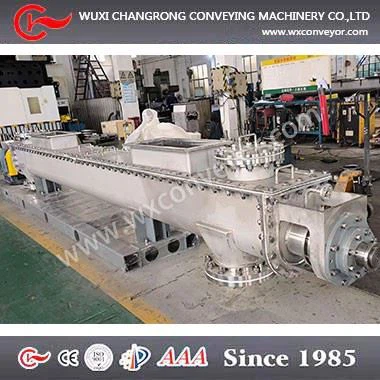

Cleaning the Screw Auger
The screw auger is the core component of the worm conveyor. It's important to clean it carefully to maintain its efficiency. Start by removing any visible debris wrapped around the auger. You can use a pair of pliers or a wire brush to gently pull off the debris.
For more thorough cleaning, you can disassemble the auger if possible. This allows you to access all parts of the auger and clean it more effectively. Once disassembled, soak the auger in a cleaning solution for a certain period. The cleaning solution can help dissolve the stubborn residues. After soaking, use a brush to scrub the auger surface, paying special attention to the threads.
When cleaning the auger, be careful not to damage its surface. Any scratches or dents can affect the smooth movement of materials and reduce the conveyor's performance.
Cleaning the Drive System
The drive system of the worm conveyor, including the motor, gearbox, and belts, also needs regular cleaning. First, remove any dust and debris from the exterior of the motor and gearbox. You can use a dry cloth or a compressed air gun to blow away the dust.
Check the belts for any signs of wear or damage. If there is dirt or grime on the belts, you can use a mild cleaning solution and a soft brush to clean them. Make sure the belts are completely dry before reassembling them.
For the gearbox, it's important to check the oil level and quality regularly. If the oil is dirty, it should be replaced according to the manufacturer's instructions.
Lubrication and Inspection after Cleaning
After cleaning the worm conveyor, it's necessary to lubricate the moving parts. Use the appropriate lubricant recommended by the manufacturer. Lubrication can reduce friction, extend the service life of the components, and ensure the smooth operation of the conveyor.
Inspect all the components of the conveyor carefully. Check for any signs of wear, damage, or misalignment. Replace any worn - out parts immediately to prevent further problems.
Frequency of Cleaning
The frequency of cleaning a worm conveyor depends on several factors, such as the type of materials being transported, the operating environment, and the conveyor's usage intensity. If the conveyor is used to transport sticky or abrasive materials, it may need to be cleaned more frequently. In general, a regular visual inspection should be carried out daily, and a thorough cleaning should be done at least once a month.
Conclusion
Proper cleaning of a worm conveyor is essential for its long - term performance and safety. By following the steps mentioned above, you can keep your conveyor in good condition. As a worm conveyor supplier, we offer a wide range of high - quality conveyors, including Auger Conveyor Machine, Feed Screw Conveyor, and Jacket Cooling Twin Shafted Screw Conveyor.
If you are interested in our products or need more information about worm conveyor maintenance, feel free to contact us for procurement and further discussions. We are committed to providing you with the best solutions and services.
References
- "Screw Conveyor Handbook" by Conveyor Equipment Manufacturers Association
- Industry standards and guidelines related to conveyor maintenance and cleaning