

Hey there! As a supplier of Silo Unloaders, I know how crucial it is to keep these machines clean. A well - maintained silo unloader not only performs better but also has a longer lifespan. So, today I'm gonna share with you some tips on how to clean a silo unloader.
Why Cleaning is Important
First off, let's talk about why cleaning your silo unloader matters. Over time, dust, debris, and leftover materials can build up inside the unloader. This buildup can cause several problems. It can clog the machinery, leading to reduced efficiency and even breakdowns. Also, if you're dealing with different types of materials, cross - contamination can occur, which is a big no - no in many industries.
Pre - cleaning Preparation
Before you start cleaning, there are a few things you need to do. First, make sure the silo unloader is completely turned off and disconnected from the power source. Safety first, right? You don't want any accidental startups while you're cleaning.
Next, gather your cleaning supplies. You'll need things like a vacuum cleaner, brushes (both soft and stiff), a bucket of soapy water, and some clean rags. If you're dealing with stubborn stains or residues, you might also want to have a suitable cleaning agent on hand.
Cleaning the Exterior
Let's start with the exterior of the silo unloader. Use a soft brush to gently remove any loose dirt and debris from the surface. Pay special attention to the corners and crevices where dirt tends to accumulate. After brushing, use a clean rag dipped in soapy water to wipe down the entire exterior. Make sure to rinse the rag frequently to avoid spreading dirt around.
For areas with more stubborn stains, you can use a mild cleaning agent. Just be careful not to use anything too harsh that could damage the paint or the surface of the unloader. Once you've wiped down the exterior, dry it off with a clean, dry rag.
Cleaning the Interior
The interior is where things can get a bit more complicated. First, use a vacuum cleaner to remove as much loose dust and debris as possible. Focus on the hopper, the conveyor belts, and any other areas where materials are likely to collect.
After vacuuming, use a stiff brush to scrub the interior surfaces. If there are any sticky residues, you can dip the brush in soapy water or a cleaning agent to help break them down. For hard - to - reach areas, you might need to use a smaller brush or a long - handled tool.
Don't forget about the filters. Filters play a crucial role in keeping the air clean and preventing dust from escaping. Remove the filters and clean them according to the manufacturer's instructions. In some cases, you might be able to wash them with soapy water and let them dry. In other cases, they might need to be replaced.
Cleaning the Conveyor System
The conveyor system is one of the most important parts of the silo unloader. Start by turning off the conveyor and disconnecting it from the power source. Use a brush to remove any debris from the conveyor belt. If there are any sticky substances on the belt, you can use a cleaning agent and a rag to wipe them off.
Check the rollers and pulleys for any signs of wear or damage. Clean them with a brush and soapy water to remove any dirt or grease. Make sure to lubricate the moving parts according to the manufacturer's recommendations to keep the conveyor running smoothly.
Cleaning the Control Panel
The control panel is where you operate the silo unloader, so it's important to keep it clean. Use a soft, dry rag to wipe down the surface of the control panel. Be careful not to get any water or cleaning agents on the electrical components. If there are any buttons or switches that are dirty, you can use a cotton swab dipped in a small amount of rubbing alcohol to clean them.
Final Checks
Once you've finished cleaning, give the entire silo unloader a final once - over. Make sure all the parts are dry and free of dirt and debris. Reassemble any parts that you removed during the cleaning process, such as the filters.

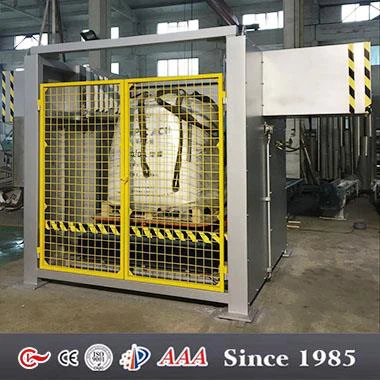
Before you turn the unloader back on, double - check that everything is properly connected and in place. It's also a good idea to run a test to make sure the unloader is working correctly.
Using Our Products for Better Cleaning and Performance
If you're in the market for a high - quality silo unloader, we've got some great options for you. Check out our Hybrid Silo Unloader Super Sack Unloading Station. This innovative product is designed to make your unloading process more efficient and easier to clean. It has a robust construction and advanced features that ensure reliable performance.
Another great option is our Big Bag Unloading Station Bulk Bag Unloading. This station is perfect for handling large bags of materials and is built to withstand heavy - duty use. With proper cleaning and maintenance, these products will serve you well for years to come.
Contact Us for Purchase and More Information
If you're interested in purchasing a silo unloader or have any questions about cleaning and maintenance, don't hesitate to get in touch with us. We're here to help you find the right solution for your needs. Whether you're a small business or a large industrial operation, we've got the expertise and the products to meet your requirements.
References
- General guidelines from silo unloader manufacturers
- Industry best practices for equipment cleaning and maintenance