

Hey there! I'm a supplier of screw feeders, and I know how important it is to keep these machines clean. A well - maintained screw feeder runs more efficiently, has a longer lifespan, and ensures the quality of the materials it processes. In this post, I'll share some tips on how to clean a screw feeder properly.
Why Cleaning is So Crucial
First off, let's talk about why cleaning a screw feeder is a big deal. Over time, debris, dust, and the material being fed can build up inside the feeder. This buildup not only reduces the feeder's efficiency but can also cause wear and tear on the components. For example, if you're using the feeder to handle abrasive materials and don't clean it regularly, the screw can get damaged, leading to costly repairs or even replacement.
Pre - Cleaning Steps
Before you start cleaning, it's essential to take some safety precautions. Make sure the feeder is turned off and unplugged. This might seem obvious, but you'd be surprised how many accidents happen because people forget this simple step. Also, wear appropriate safety gear like gloves and goggles to protect yourself from any remaining debris or cleaning chemicals.
Next, you need to empty the feeder of any remaining material. This can usually be done by running the feeder in reverse until all the material has been removed. Once the feeder is empty, you can start inspecting it for any signs of damage, such as bent screws or loose parts. If you notice any issues, it's best to address them before you start cleaning.
Disassembling the Screw Feeder
Depending on the type of screw feeder you have, you may need to disassemble it to clean it thoroughly. For smaller screw feeders like the Small Auger Feeders Screw Feeders, disassembly might be relatively straightforward. You'll typically need to remove the end caps, which can usually be done with a simple wrench or screwdriver.
Once the end caps are off, you can carefully slide out the screw. Be gentle during this process to avoid damaging the screw or the housing. If you have a Twin Screw Feeder Feed Conveyor System, disassembling it might be a bit more complex, but the basic principle is the same. You'll need to access the screws and remove them for cleaning.
Cleaning the Components
Cleaning the Screw
The screw is the heart of the screw feeder, so it needs special attention. Start by using a stiff brush to remove any loose debris from the screw. Pay close attention to the threads, as debris can easily get trapped there. If there's stubborn buildup, you can use a mild cleaning solution. Just make sure the solution is compatible with the material of the screw. For example, if the screw is made of stainless steel, you don't want to use a cleaning agent that will corrode it.
After brushing and applying the cleaning solution, rinse the screw thoroughly with water. Make sure all the cleaning solution is removed, as any residue could react with the material being fed in the future. Once rinsed, dry the screw completely with a clean cloth. Moisture left on the screw can lead to rusting, especially if the environment is humid.
Cleaning the Housing
The housing of the screw feeder can also accumulate a lot of debris. Use a vacuum cleaner to remove any loose dust and particles from the inside of the housing. This will make the subsequent cleaning steps easier. Then, wipe down the interior of the housing with a cloth soaked in the cleaning solution. Pay attention to the corners and edges where debris tends to collect. After wiping, rinse the housing with water and dry it thoroughly.
Reassembling the Screw Feeder
Once all the components are clean and dry, it's time to reassemble the screw feeder. Start by carefully inserting the screw back into the housing. Make sure it is properly aligned and seated. Then, put the end caps back on and tighten them securely. But don't over - tighten, as this could damage the feeder or cause it to malfunction.
Regular Maintenance Schedule
To keep your screw feeder in top condition, it's important to establish a regular cleaning and maintenance schedule. How often you clean the feeder depends on how frequently it's used and the type of material it handles. For feeders that are used continuously to handle dirty or sticky materials, you might need to clean them daily or weekly. For less - frequently used feeders or those handling clean materials, a monthly cleaning might be sufficient.
In addition to regular cleaning, you should also perform periodic inspections of the feeder. Check for signs of wear and tear, such as worn - out bearings or loose belts. Catching these issues early can save you a lot of money in the long run.
Additional Tips
- Keep the area around the screw feeder clean. A clean workspace can prevent debris from getting into the feeder in the first place.
- If you're using the feeder to handle different types of materials, make sure to clean it thoroughly between each use. This will prevent cross - contamination.
- Document your cleaning and maintenance activities. This can help you keep track of when the feeder was last cleaned and maintained, and it can also be useful if you need to troubleshoot any issues in the future.
Well, that's about it for how to clean a screw feeder. By following these steps and establishing a regular maintenance routine, you can ensure that your screw feeder operates smoothly and efficiently for years to come.
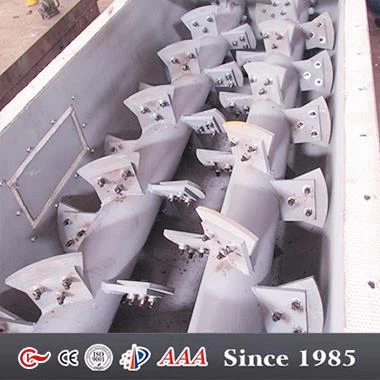

If you're in the market for a new screw feeder or need more advice on maintaining your existing one, don't hesitate to reach out. We're here to help you with all your screw feeder needs. Whether you need a small auger feeder or a twin screw feeder system, we've got you covered. Contact us to explore the options and start a great purchasing conversation!
References
- General knowledge on industrial equipment maintenance
- Experience in the field of screw feeder manufacturing and supply