

Hey there! As a food conveyor supplier, I know how crucial it is to keep your food conveyor clean. A clean conveyor not only ensures the quality and safety of the food being transported but also extends the lifespan of the equipment. In this blog, I'll share some practical tips on how to clean a food conveyor effectively.
Why Cleaning is a Big Deal
First off, let's talk about why cleaning your food conveyor is so important. Food residues can build up on the conveyor belt or other components over time. This can attract pests like bugs and rodents, and it's also a breeding ground for bacteria and other harmful microorganisms. These can contaminate the food passing through the conveyor, leading to foodborne illnesses and potential legal issues for your business.
Moreover, dirty conveyors can cause mechanical problems. For example, debris can get stuck in the moving parts, leading to increased wear and tear, and even breakdowns. Regular cleaning helps prevent these issues, saving you money on repairs and replacements in the long run.
Pre - Cleaning Preparation
Before you start cleaning, there are a few things you need to do. First, make sure the conveyor is turned off and unplugged. This is a basic safety measure to prevent any accidents while you're cleaning.
Next, remove any loose debris from the conveyor. You can use a brush or a vacuum cleaner to get rid of large pieces of food, dust, and dirt. Pay special attention to the areas where food tends to accumulate, such as the edges of the belt and around the rollers.
Choosing the Right Cleaning Agents
When it comes to cleaning agents, you need to be careful. Since you're dealing with food conveyors, you can't just use any old cleaner. You should use food - grade cleaning agents that are approved for use in food processing environments. These cleaners are designed to be non - toxic and won't leave any harmful residues on the conveyor.
There are different types of food - grade cleaners available. For general cleaning, a mild detergent can work well. If you're dealing with stubborn grease or oil stains, you might need a stronger degreaser. Just make sure to follow the manufacturer's instructions when using any cleaning agent.
Cleaning the Conveyor Belt
The conveyor belt is one of the most important parts of the conveyor, and it requires special attention. Start by wiping the belt down with a clean cloth or sponge soaked in the cleaning solution. Work in small sections, starting from one end of the belt and moving towards the other.
For hard - to - reach areas, you can use a small brush to scrub away the dirt. Make sure to clean both the top and the bottom of the belt. After scrubbing, rinse the belt thoroughly with clean water to remove any remaining cleaning solution.
If your conveyor belt is removable, you can take it off and soak it in a large container filled with the cleaning solution for a more thorough cleaning. Just make sure to dry it completely before putting it back on the conveyor.
Cleaning the Rollers and Pulleys
The rollers and pulleys are also prone to dirt and debris buildup. Use a brush to clean the surface of the rollers and pulleys, removing any food particles or dust. You can also use a clean cloth soaked in the cleaning solution to wipe them down.
Check the bearings of the rollers and pulleys. If they're dirty, you might need to use a specialized bearing cleaner to clean them. Make sure to lubricate the bearings after cleaning to ensure smooth operation.
Cleaning the Frame and Other Components
Don't forget about the frame and other components of the conveyor. Use a clean cloth or sponge to wipe down the frame, removing any dirt or grease. Pay attention to the corners and edges where dirt can accumulate.
For components like chains and gears, you can use a chain cleaner or a degreaser to remove any built - up grime. After cleaning, make sure to dry these components thoroughly and lubricate them to prevent rust and corrosion.
Sanitizing the Conveyor
After cleaning, it's important to sanitize the conveyor to kill any remaining bacteria and germs. You can use a food - grade sanitizer for this purpose. Follow the instructions on the sanitizer label to ensure proper use.
Apply the sanitizer to all the surfaces of the conveyor, including the belt, rollers, pulleys, and frame. Let the sanitizer sit on the surfaces for the recommended amount of time to ensure effective sanitization. Then, rinse the conveyor with clean water and dry it completely.
Post - Cleaning Checks
Once you've finished cleaning and sanitizing the conveyor, do a final check. Make sure there are no remaining dirt or cleaning solution residues on the conveyor. Check the operation of the conveyor by turning it on (after it's completely dry) and running it for a short period. Make sure everything is working smoothly.
Regular Cleaning Schedule
To keep your food conveyor in top condition, you need to establish a regular cleaning schedule. How often you clean the conveyor depends on several factors, such as the type of food being transported, the volume of production, and the environment in which the conveyor operates.
For high - volume food processing operations, daily cleaning might be necessary. In other cases, weekly or bi - weekly cleaning could be sufficient. Just make sure to stick to your cleaning schedule as closely as possible.
Some Advanced Conveyor Systems and Their Cleaning Considerations
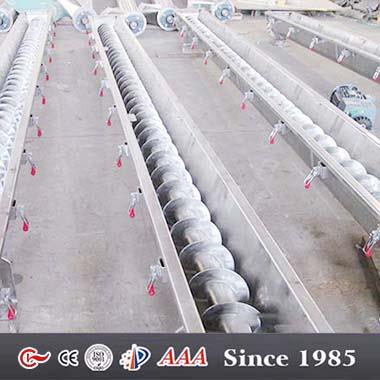
If you're using more advanced conveyor systems like Food Grade Conveyor Screw Conveyor Systems, Snake Scraper Chain Conveyor Elevator Chain, or Food Grade En - Masse Conveyors Systems, the cleaning process might be a bit different.
These systems have more complex components, and you might need to disassemble some parts for a thorough cleaning. Make sure to refer to the manufacturer's manual for specific cleaning instructions for these types of conveyors.

Conclusion
Cleaning a food conveyor is an essential task for any food processing business. By following the steps outlined above, you can ensure that your conveyor is clean, safe, and in good working condition.
If you're in the market for a new food conveyor or need more information on conveyor cleaning and maintenance, don't hesitate to get in touch. We're here to help you make the best decisions for your business. Whether you need advice on the right cleaning agents or are looking for a high - quality food conveyor system, we've got you covered.
References
- General food safety guidelines for food processing equipment.
- Manufacturer's manuals for various food conveyor systems.