

Hey there! As a supplier of bag unloaders, I know how important it is to keep these machines clean. A well - maintained bag unloader not only lasts longer but also operates more efficiently. In this blog, I'll share some practical tips on how to clean a bag unloader.
Why Cleaning Your Bag Unloader Matters
Before we dive into the cleaning process, let's talk about why it's so crucial. Over time, bag unloaders can accumulate dust, debris, and residue from the materials they handle. This buildup can cause several problems. For one, it can clog the machine's components, leading to reduced performance and even breakdowns. It can also contaminate the next batch of materials being unloaded, which is a big no - no in industries where purity is key, like food or pharmaceuticals.
Pre - Cleaning Preparations
First things first, safety should always be your top priority. Before you start cleaning, make sure the bag unloader is turned off and unplugged. If it's a large, industrial - scale machine, follow the proper lock - out/tag - out procedures to prevent accidental startup.
Next, gather all the necessary cleaning supplies. You'll typically need a soft - bristle brush, a vacuum cleaner with a brush attachment, a mild detergent, and some clean, lint - free rags. Depending on the type of materials the bag unloader has been handling, you might also need a specialized cleaning solution.
Step - by - Step Cleaning Process
Exterior Cleaning
Start by cleaning the exterior of the bag unloader. Use a soft - bristle brush to gently remove any loose dust and debris from the surface. Pay special attention to the corners and crevices where dirt tends to accumulate. After brushing, use a vacuum cleaner with a brush attachment to suck up the loosened particles.
Once the loose dirt is gone, dampen a lint - free rag with a mild detergent solution. Wipe down the entire exterior of the bag unloader, including the control panel, buttons, and handles. Be careful not to get any liquid into the electrical components. After wiping, use a dry rag to dry the surface thoroughly.
Hopper and Chute Cleaning
The hopper and chute are where the bulk of the material is loaded and transferred. These areas can get pretty dirty, so they need a more thorough cleaning.
First, remove any remaining material from the hopper and chute. You can use a brush to loosen stubborn clumps, and then vacuum them up. If there are any sticky residues, you might need to use a mild detergent solution. Apply the solution to a rag and gently scrub the inside of the hopper and chute. Rinse the area with clean water and dry it completely.

Conveyor Belt Cleaning
If your bag unloader has a conveyor belt, it's important to clean it regularly. Start by turning off the conveyor and allowing it to cool down if it has been running. Use a brush to remove any debris from the belt surface. Then, apply a small amount of mild detergent to a rag and wipe down the belt. Make sure to clean both the top and bottom surfaces of the belt.
After cleaning, use a clean, damp rag to rinse off the detergent. Finally, dry the belt thoroughly before turning the conveyor back on. A dirty conveyor belt can cause slippage and reduce the efficiency of the bag unloader.
Filter Cleaning
Many bag unloaders are equipped with filters to capture dust and prevent it from being released into the environment. These filters need to be cleaned or replaced regularly.
Check the manufacturer's instructions to see how often the filters should be cleaned. In most cases, you can remove the filters and tap them gently to remove loose dust. If they are very dirty, you might need to wash them with a mild detergent solution. Rinse the filters thoroughly and let them dry completely before reinstalling them.
Post - Cleaning Checks
Once you've finished cleaning the bag unloader, it's a good idea to do a final check. Inspect all the components to make sure they are clean and in good working condition. Check for any signs of damage or wear, such as cracks in the hopper or frayed belts.
Before you start using the bag unloader again, run a test cycle without any materials to make sure everything is functioning properly. Listen for any unusual noises or vibrations, which could indicate a problem.
Different Types of Bag Unloaders and Their Cleaning Needs
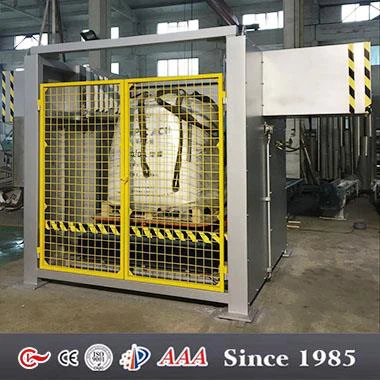
There are various types of bag unloaders available in the market, and each might have slightly different cleaning requirements. For example, a Big Bag Unloading Station Bulk Bag Unloading is designed to handle large bags of materials. These unloaders often have larger hoppers and more complex conveyor systems, which might require more thorough cleaning.
On the other hand, a Hybrid Silo Unloader Super Sack Unloading Station combines different unloading mechanisms. The unique design of these unloaders means that you need to pay extra attention to the areas where different components meet.
Tips for Maintaining a Clean Bag Unloader
- Regular Inspection: Make it a habit to inspect the bag unloader before and after each use. This way, you can catch any potential problems early and prevent dirt and debris from building up.
- Proper Storage: When the bag unloader is not in use, store it in a clean, dry place. This will help prevent dust and moisture from accumulating on the machine.
- Training: Make sure that all operators are trained on how to clean and maintain the bag unloader properly. This will ensure that the cleaning process is done correctly every time.
Conclusion
Cleaning a bag unloader is an essential part of its maintenance. By following these steps and tips, you can keep your bag unloader in top - notch condition, ensuring its longevity and efficient operation.
If you're in the market for a new bag unloader or have any questions about our products, don't hesitate to reach out. We're here to help you find the perfect solution for your material handling needs. Whether you're looking for a Big Bag Unloading Station Bulk Bag Unloading or a Hybrid Silo Unloader Super Sack Unloading Station, we've got you covered. Contact us today to start the procurement process and let's discuss how we can meet your requirements.
References
- Manufacturer's manuals for bag unloaders
- Industry best practices for equipment cleaning and maintenance