

Adjusting the unloading position of a bag unloader is a crucial task that can significantly impact the efficiency and effectiveness of your material handling operations. As a leading bag unloader supplier, we understand the importance of this process and are here to guide you through the steps to ensure optimal performance.
Understanding the Basics of Bag Unloaders
Before delving into the adjustment process, it's essential to have a clear understanding of how bag unloaders work. Bag unloaders are designed to empty the contents of bags, such as bulk bags or sacks, into a receiving hopper or container. They come in various types and configurations, each tailored to specific applications and requirements.
Some common types of bag unloaders include:
- Manual Bag Unloaders: These unloaders require manual labor to open and empty the bags. They are typically used for small-scale operations or when handling fragile or sensitive materials.
- Semi-Automatic Bag Unloaders: These unloaders automate the bag opening process but still require some manual intervention to position the bags and monitor the unloading process.
- Fully Automatic Bag Unloaders: These unloaders are the most advanced type and can handle the entire bag unloading process automatically, from bag feeding to material discharge.
Factors Affecting the Unloading Position
Several factors can influence the optimal unloading position of a bag unloader. Understanding these factors is crucial for making accurate adjustments and achieving the best results. Some of the key factors to consider include:
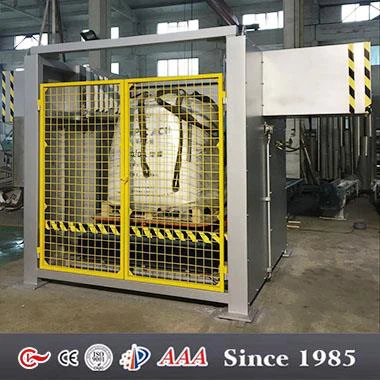

- Material Characteristics: The type, density, and flowability of the material being unloaded can significantly impact the unloading position. For example, materials that are prone to bridging or clogging may require a specific unloading angle or height to ensure smooth flow.
- Bag Size and Type: The size and type of bags being used can also affect the unloading position. Different bag sizes and configurations may require different unloading mechanisms or adjustments to ensure proper bag opening and material discharge.
- Receiving Hopper or Container: The design and capacity of the receiving hopper or container can influence the unloading position. The hopper should be positioned at the correct height and angle to ensure that the material flows smoothly into it without any spillage or blockages.
- Space Constraints: The available space in your facility can also limit the unloading position options. You need to ensure that the bag unloader can be installed and operated safely within the available space, taking into account factors such as clearance, access, and ventilation.
Steps to Adjust the Unloading Position
Once you have considered the factors affecting the unloading position, you can proceed with the adjustment process. Here are the general steps to follow:
- Review the Manufacturer's Instructions: Before making any adjustments, carefully review the manufacturer's instructions and guidelines for your specific bag unloader model. This will ensure that you follow the correct procedures and avoid any potential damage to the equipment.
- Inspect the Equipment: Conduct a thorough inspection of the bag unloader to ensure that it is in good working condition. Check for any signs of damage, wear, or misalignment that may affect the unloading position.
- Determine the Optimal Unloading Position: Based on the factors discussed earlier, determine the optimal unloading position for your specific application. Consider the material characteristics, bag size and type, receiving hopper or container, and space constraints.
- Make the Necessary Adjustments: Once you have determined the optimal unloading position, make the necessary adjustments to the bag unloader. This may involve adjusting the height, angle, or position of the unloading mechanism, as well as the bag support structure.
- Test the Unloading Process: After making the adjustments, test the unloading process to ensure that it is working correctly. Start with a small batch of bags and monitor the material flow and discharge. Make any additional adjustments as needed to achieve the desired results.
- Document the Adjustments: Once you have achieved the optimal unloading position, document the adjustments made to the bag unloader. This will help you maintain consistency and ensure that the equipment is operating at its best.
Tips for Adjusting the Unloading Position
Here are some additional tips to help you adjust the unloading position of a bag unloader effectively:
- Use a Laser Level: A laser level can be a useful tool for ensuring that the bag unloader is level and aligned correctly. This will help to prevent any uneven material flow or spillage.
- Take Measurements: Use a tape measure or other measuring tools to take accurate measurements of the unloading position. This will help you make precise adjustments and ensure that the equipment is set up correctly.
- Seek Professional Help: If you are unsure about how to adjust the unloading position of your bag unloader, or if you encounter any problems during the adjustment process, seek professional help from a qualified technician or the bag unloader supplier.
- Regular Maintenance: Regular maintenance of the bag unloader is essential for ensuring its optimal performance. Follow the manufacturer's recommended maintenance schedule and perform any necessary inspections, lubrication, and repairs.
Conclusion
Adjusting the unloading position of a bag unloader is a critical process that can have a significant impact on the efficiency and effectiveness of your material handling operations. By understanding the factors affecting the unloading position and following the steps outlined in this blog post, you can ensure that your bag unloader is operating at its best and achieving the desired results.
If you have any questions or need further assistance with adjusting the unloading position of your bag unloader, please don't hesitate to contact us. As a leading bag unloader supplier, we have the expertise and experience to help you find the best solution for your specific needs. We offer a wide range of bag unloaders, including the Hybrid Silo Unloader Super Sack Unloading Station and Big Bag Unloading Station Bulk Bag Unloading, and can provide you with the support and guidance you need to make the right choice.
Contact us today to learn more about our bag unloaders and how we can help you improve your material handling operations.
References
- Manufacturer's instructions and guidelines for bag unloaders
- Industry standards and best practices for material handling and bag unloading
- Technical literature and research on bag unloader design and operation