

How often should a drag conveyor be lubricated?
As a supplier of drag conveyors, I understand the importance of proper maintenance to ensure the smooth and efficient operation of these crucial industrial machines. One of the key aspects of maintenance is lubrication. In this blog, I will delve into the question of how often a drag conveyor should be lubricated, considering various factors that influence the lubrication frequency.
The Role of Lubrication in Drag Conveyors
Before discussing the lubrication frequency, it's essential to understand why lubrication is so important for drag conveyors. Drag conveyors typically consist of a chain or belt that moves through a trough, carrying materials from one point to another. The moving parts, such as the chain links, sprockets, and bearings, are subject to friction and wear during operation. Lubrication serves several vital functions:
- Reducing Friction: By creating a thin film between moving surfaces, lubricants minimize friction, which in turn reduces energy consumption and extends the lifespan of the components.
- Preventing Wear: Lubricants act as a protective barrier, preventing direct metal-to-metal contact and reducing the wear and tear on the chain, sprockets, and bearings.
- Corrosion Protection: Many lubricants also offer corrosion protection, which is especially important in environments where the conveyor may be exposed to moisture or corrosive substances.
- Heat Dissipation: Lubrication helps to dissipate heat generated by friction, preventing overheating and potential damage to the components.
Factors Affecting Lubrication Frequency
The frequency of lubrication for a drag conveyor depends on several factors, including the following:
1. Operating Conditions
- Load and Speed: Drag conveyors operating under heavy loads or at high speeds generate more friction and heat, which can accelerate wear. In such cases, more frequent lubrication may be required.
- Environmental Conditions: Conveyors operating in harsh environments, such as dusty, dirty, or humid conditions, are more prone to contamination and corrosion. In these environments, lubrication may need to be performed more often to protect the components.
- Temperature: Extreme temperatures can affect the viscosity and performance of the lubricant. In high-temperature environments, the lubricant may break down more quickly, requiring more frequent replenishment. Conversely, in cold temperatures, the lubricant may thicken, reducing its effectiveness, and also necessitating more frequent checks and lubrication.
2. Type of Lubricant
- Viscosity: The viscosity of the lubricant determines its ability to form a protective film between moving surfaces. Lubricants with higher viscosities are generally more suitable for heavy loads and high-speed applications, but they may also require more frequent replenishment.
- Additives: Some lubricants contain additives that enhance their performance, such as anti-wear agents, corrosion inhibitors, and oxidation stabilizers. Lubricants with these additives may offer longer-lasting protection and require less frequent lubrication.
3. Design and Construction of the Conveyor
- Chain Type: Different types of chains have different lubrication requirements. For example, roller chains typically require more frequent lubrication than silent chains because the rollers generate more friction.
- Bearing Design: The design of the bearings used in the conveyor can also affect the lubrication frequency. Some bearings are self-lubricating or have built-in lubrication systems, which may reduce the need for external lubrication.
General Guidelines for Lubrication Frequency
Based on the factors mentioned above, here are some general guidelines for lubricating a drag conveyor:
1. Chain Lubrication
- Light Load and Low-Speed Applications: For drag conveyors operating under light loads and at low speeds, lubrication of the chain may be required every 100 - 200 operating hours.
- Medium Load and Medium-Speed Applications: In medium load and medium-speed applications, lubrication should be performed every 50 - 100 operating hours.
- Heavy Load and High-Speed Applications: For conveyors operating under heavy loads and at high speeds, lubrication may need to be carried out every 25 - 50 operating hours.
It's important to note that these are just general guidelines, and the actual lubrication frequency may need to be adjusted based on the specific operating conditions and the manufacturer's recommendations.
2. Sprocket and Bearing Lubrication
- Sprockets: Sprockets should be lubricated at the same time as the chain to ensure smooth operation and reduce wear.
- Bearings: The lubrication frequency for bearings depends on the type of bearing and the operating conditions. In general, bearings should be lubricated every 100 - 200 operating hours, but this may vary depending on the manufacturer's specifications.
Monitoring and Maintenance
In addition to following the recommended lubrication frequency, it's important to monitor the condition of the drag conveyor regularly to detect any signs of wear or damage. Here are some tips for monitoring and maintenance:
- Visual Inspection: Regularly inspect the chain, sprockets, and bearings for signs of wear, such as excessive elongation, cracking, or corrosion. Look for any loose or damaged components and replace them as needed.
- Lubricant Analysis: Periodically analyze the lubricant to determine its condition and effectiveness. This can help identify any issues, such as contamination or degradation, and allow for timely corrective action.
- Keep Records: Maintain a record of the lubrication schedule, including the date, time, and type of lubricant used. This can help track the maintenance history of the conveyor and ensure that lubrication is performed at the appropriate intervals.
Conclusion
Proper lubrication is essential for the reliable and efficient operation of a drag conveyor. The frequency of lubrication depends on several factors, including the operating conditions, type of lubricant, and design of the conveyor. By following the general guidelines outlined in this blog and monitoring the condition of the conveyor regularly, you can ensure that your drag conveyor operates smoothly and has a long service life.

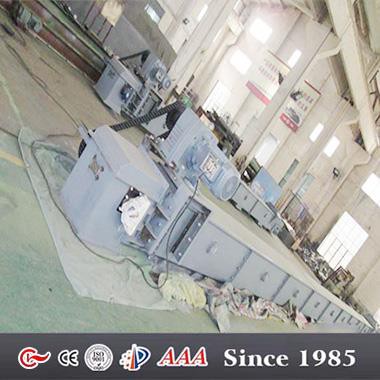
If you are in the market for a high-quality drag conveyor or need further advice on lubrication and maintenance, we are here to help. Our team of experts can provide you with the best solutions tailored to your specific requirements. Grain Drag Conveyor Drag Chain Conveyor offers a wide range of drag conveyors that are designed for optimal performance and durability. Contact us today to discuss your needs and explore how our products can benefit your business.
References
- "Industrial Chain and Sprocket Handbook"
- Manufacturer's manuals for drag conveyors
- Technical literature on lubrication and maintenance of industrial machinery