

Hey there! As a supplier of sludge mixers, I often get asked whether a sludge mixer can be used in industrial wastewater treatment plants. Well, the short answer is yes, and in this blog, I'll dive into the details of why and how sludge mixers play a crucial role in these facilities.
First off, let's understand what industrial wastewater treatment plants deal with. Industrial processes generate a vast amount of wastewater that contains all sorts of pollutants, solids, and contaminants. The goal of these treatment plants is to clean this water to a level where it can be safely discharged back into the environment or reused within the industrial process.
Sludge is a by - product of the wastewater treatment process. It consists of a mixture of solids, organic matter, and water. If not properly managed, sludge can cause a whole bunch of problems. It can clog pipes, reduce the efficiency of treatment equipment, and even lead to environmental pollution. That's where sludge mixers come in.
A sludge mixer is designed to agitate and blend the sludge, ensuring that it remains in a homogeneous state. This is super important for several reasons. For starters, when the sludge is well - mixed, the treatment chemicals can be evenly distributed. In many wastewater treatment processes, chemicals like coagulants and flocculants are added to help separate the solids from the water. If the sludge isn't properly mixed, these chemicals won't work as effectively, and the separation process will be less efficient.
Another key benefit of using a sludge mixer in industrial wastewater treatment plants is that it helps prevent the settling of solids. Sludge has a tendency to settle at the bottom of tanks and basins over time. This settled sludge can form a hard layer, which is difficult to remove and can reduce the effective volume of the treatment tank. By continuously mixing the sludge, we can keep the solids in suspension, making it easier to pump the sludge out for further processing.
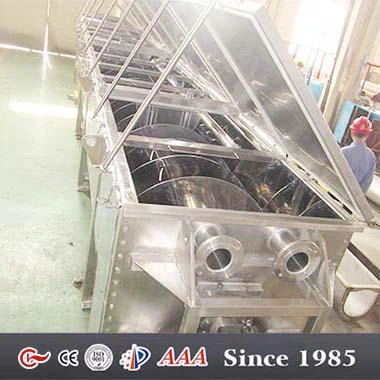
Now, let's talk about the types of sludge mixers that are commonly used in industrial wastewater treatment plants. One popular option is the Sludge Mixer Mixing Screw Conveyors. These mixers use a screw - like mechanism to move and mix the sludge. They are great for handling thick and viscous sludge, as the screw can effectively break up any clumps and ensure a uniform mixture.
Another type of mixer that can be used is the conveyor screw coffee screw ribbon mixer, like the Conveyor Screw Coffee Screw Ribbon Mixer for Coffee System. Although it's named after a coffee system, this type of mixer can also be adapted for sludge mixing. It has a ribbon - shaped agitator that rotates inside a trough, providing a gentle yet thorough mixing action. This is particularly useful when you need to mix sludge without causing too much turbulence, which could potentially release harmful gases or disrupt the treatment process.
In addition to the types of mixers, there are also different factors to consider when choosing a sludge mixer for an industrial wastewater treatment plant. The size of the treatment tank, the flow rate of the sludge, and the characteristics of the sludge itself (such as its viscosity and solid content) all play a role in determining the right mixer. For example, if you have a large treatment tank with a high flow rate of sludge, you'll need a more powerful mixer to ensure proper mixing.
When it comes to the installation and operation of sludge mixers in industrial wastewater treatment plants, it's important to follow the manufacturer's guidelines. Regular maintenance is also crucial to keep the mixer running smoothly. This includes checking the motor, bearings, and agitator for any signs of wear and tear, and lubricating the moving parts as needed.

Moreover, sludge mixers can also contribute to cost - savings in the long run. By improving the efficiency of the wastewater treatment process, they can reduce the amount of treatment chemicals needed. They also help prevent equipment breakdowns caused by sludge buildup, which can save on repair and replacement costs.
In conclusion, sludge mixers are an essential component of industrial wastewater treatment plants. They help ensure the proper treatment of sludge, improve the efficiency of the overall treatment process, and contribute to environmental protection. If you're running an industrial wastewater treatment plant and are looking for a reliable sludge mixer, I'd be more than happy to assist you. Whether you need a Sludge Mixer Mixing Screw Conveyors or a Conveyor Screw Coffee Screw Ribbon Mixer for Coffee System, we have a range of options to suit your specific needs.
If you're interested in learning more about our sludge mixers or would like to discuss your requirements in detail, feel free to reach out. We can have a chat about how our products can fit into your wastewater treatment process and help you achieve better results.
References
- Wastewater Treatment Handbook, various editions
- Industrial Mixing Technology Research Papers