

When it comes to preparing delicious salsa, many home cooks and professional chefs alike often wonder if a mixer can be used in the process. As a mixer supplier, I'm here to explore this question in detail and shed light on the possibilities and considerations when using a mixer for making salsa.

The Basics of Salsa
Salsa is a versatile and popular condiment that originated in Latin American cuisine. It typically consists of tomatoes, onions, peppers, cilantro, lime juice, and various seasonings. The ingredients can be combined in different ratios and styles, resulting in a wide range of salsa flavors, from mild and sweet to spicy and tangy.
Can a Mixer Be Used for Making Salsa?
The short answer is yes, a mixer can be used for making salsa. However, it's important to understand the different types of mixers available and how they can affect the texture and flavor of the salsa.
1. Blender
A blender is a common kitchen appliance that can be used to make salsa. It works by using high - speed blades to blend the ingredients into a smooth or semi - smooth consistency.
- Advantages:
- Efficiency: Blenders can quickly and easily puree the ingredients, saving time and effort. This is especially useful when making large batches of salsa.
- Consistency: They can create a uniform texture, which is ideal for those who prefer a smooth salsa.
- Disadvantages:
- Over - blending: If you blend the ingredients for too long, the salsa can become too smooth and lose its fresh, chunky texture.
- Flavor loss: The high - speed blending can sometimes cause the volatile compounds in the ingredients, such as the essential oils in cilantro and peppers, to dissipate, resulting in a loss of flavor.
2. Food Processor
A food processor is another option for making salsa. It has a similar function to a blender but is typically more versatile, with different attachments for chopping, slicing, and pureeing.
- Advantages:
- Chunky texture: Food processors can be adjusted to create a chunky salsa by pulsing the ingredients instead of blending them continuously. This allows you to control the size of the chunks and achieve the desired texture.
- Versatility: You can use different blades and attachments to customize the salsa - making process. For example, a sharp blade can be used to finely chop the onions and peppers, while a pulse function can be used to keep the tomatoes and cilantro in larger pieces.
- Disadvantages:
- Cleaning: Food processors can be more difficult to clean than blenders, especially if the ingredients get stuck in the blades or attachments.
- Noise: They can be quite noisy during operation, which may be a nuisance in a small kitchen or when you're trying to enjoy a quiet cooking experience.
3. Stand Mixer
A stand mixer is a powerful and durable appliance that can also be used for making salsa. It usually comes with a variety of attachments, such as a paddle, whisk, and dough hook.
- Advantages:
- Power: Stand mixers have a powerful motor that can handle large quantities of ingredients. This is beneficial when making commercial - scale batches of salsa.
- Control: You can adjust the speed of the mixer to achieve the desired texture. For a chunky salsa, you can use a low speed, while a higher speed can be used for a smoother consistency.
- Disadvantages:
- Size and cost: Stand mixers are generally larger and more expensive than blenders and food processors. They also require more counter space, which may be a limitation in a small kitchen.
Considerations When Using a Mixer for Salsa
Regardless of the type of mixer you choose, there are several important considerations to keep in mind when using it for making salsa.
1. Ingredient Preparation
Before adding the ingredients to the mixer, it's important to prepare them properly. For example, tomatoes should be cored and diced, onions should be peeled and chopped, and peppers should be seeded and sliced. This will ensure that the salsa has a consistent texture and flavor.
2. Mixing Time
As mentioned earlier, over - mixing can result in a loss of texture and flavor. It's important to monitor the mixing process closely and stop as soon as the desired consistency is achieved. For a chunky salsa, a few short pulses may be sufficient, while a smoother salsa may require a longer blending time.
3. Seasoning
Seasoning is a crucial part of making delicious salsa. It's best to add the seasonings, such as salt, pepper, and lime juice, after the ingredients have been mixed in the mixer. This allows you to taste the salsa and adjust the seasoning according to your preference.
Our Mixer Products for Salsa Making
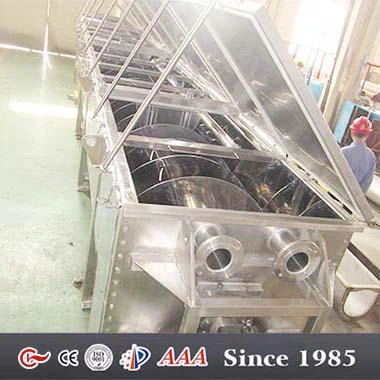
As a mixer supplier, we offer a wide range of mixers that are suitable for making salsa. Our Conveyor Screw Coffee Screw Ribbon Mixer for Coffee System is a versatile option that can be used for both small - scale and large - scale salsa production. It features a unique screw ribbon design that ensures thorough mixing of the ingredients, resulting in a consistent and flavorful salsa.
Our Sludge Mixer Mixing Screw Conveyors are also great for making salsa, especially when you need to handle large volumes of ingredients. These mixers are designed to provide efficient and reliable mixing, with a powerful motor and durable construction.
Conclusion
In conclusion, a mixer can definitely be used for making salsa, and each type of mixer has its own advantages and disadvantages. Whether you prefer a smooth or chunky salsa, there is a mixer that can meet your needs. As a mixer supplier, we are committed to providing high - quality mixers that can help you create delicious salsa with ease.
If you're interested in purchasing a mixer for making salsa or have any questions about our products, please feel free to contact us for a procurement discussion. We look forward to working with you to find the perfect mixer for your salsa - making needs.
References
- "The Joy of Cooking" by Irma S. Rombauer, Marion Rombauer Becker, and Ethan Becker.
- "Latin American Cooking for Dummies" by Michele Anna Jordan.