

A drag conveyor is a mechanical handling device that uses a chain or belt to move bulk materials, such as grains, coal, and minerals. They are commonly used in industries such as agriculture, mining, and manufacturing. One question that often arises is whether a drag conveyor can be used in a corrosive environment. As a supplier of drag conveyors, I'll explore this topic in detail.
Understanding Corrosive Environments
Corrosive environments are those where materials are exposed to chemicals, moisture, or other substances that can cause corrosion. In industrial settings, these environments can be found in chemical plants, food processing facilities, wastewater treatment plants, and more. Corrosion can lead to significant damage to equipment, including drag conveyors, reducing their lifespan and performance.
Types of Corrosion
There are several types of corrosion that can affect drag conveyors:
- Uniform Corrosion: This is the most common type, where the entire surface of the metal is corroded at a relatively even rate. It is often caused by exposure to moisture and oxygen.
- Pitting Corrosion: Small, localized holes or pits form on the metal surface. This can be particularly dangerous as it can lead to the failure of the conveyor components.
- Galvanic Corrosion: This occurs when two different metals are in contact in the presence of an electrolyte. The more reactive metal corrodes faster.
- Stress Corrosion Cracking: Corrosion occurs in combination with tensile stress, leading to cracking of the metal.
Can a Drag Conveyor Be Used in a Corrosive Environment?
The short answer is yes, but it requires careful consideration and proper design. Here are the key factors to keep in mind:
Material Selection
The choice of materials is crucial for a drag conveyor operating in a corrosive environment. Common materials used for drag conveyors include carbon steel, stainless steel, and plastics.
- Carbon Steel: While carbon steel is strong and relatively inexpensive, it is highly susceptible to corrosion. It may be suitable for mild corrosive environments if properly coated or treated.
- Stainless Steel: Stainless steel contains chromium, which forms a passive oxide layer on the surface, providing excellent corrosion resistance. It is a popular choice for drag conveyors in corrosive environments. However, different grades of stainless steel have different levels of corrosion resistance, so the selection should be based on the specific corrosive agents present.
- Plastics: Some plastics, such as polyethylene and polypropylene, are highly resistant to corrosion. They are lightweight and can be a cost - effective option for certain applications. However, they may not have the same strength as metals and may be more suitable for lighter loads.
Coating and Linings
In addition to material selection, coatings and linings can provide an extra layer of protection against corrosion.
- Epoxy Coatings: Epoxy coatings are commonly used to protect metal surfaces from corrosion. They can provide a durable and chemical - resistant barrier.
- Rubber Linings: Rubber linings can be applied to the inside of the conveyor trough to protect the metal from abrasion and corrosion. They are particularly effective in environments where there is a risk of chemical splash or immersion.
Design Considerations
The design of the drag conveyor can also influence its performance in a corrosive environment.
- Drainage: Proper drainage is essential to prevent the accumulation of corrosive liquids. The conveyor trough should be designed with slopes and drain holes to allow liquids to flow out easily.
- Avoiding Crevices: Crevices can trap corrosive substances and accelerate corrosion. The conveyor should be designed to minimize the presence of crevices and ensure that there are no areas where liquids can collect.
- Maintenance Accessibility: The conveyor should be designed to allow easy access for inspection and maintenance. This includes providing access doors and hatches to check for signs of corrosion and to perform necessary repairs.
Case Studies
Let's look at a few real - world examples of drag conveyors used in corrosive environments:
- Food Processing Industry: In a food processing plant, a drag conveyor was used to transport acidic fruits. The conveyor was made of stainless steel to resist corrosion from the fruit acids. The trough was also lined with a food - grade rubber to prevent abrasion and corrosion. This setup allowed the conveyor to operate effectively for many years with minimal maintenance.
- Chemical Plant: In a chemical plant, a drag conveyor was used to transport corrosive chemicals. The conveyor was made of a high - grade stainless steel and was coated with a specialized epoxy coating. The design included proper drainage and easy access for maintenance. Despite the harsh environment, the conveyor has been operating reliably for several years.
Our Offerings
As a drag conveyor supplier, we understand the challenges of operating in corrosive environments. We offer a range of drag conveyors specifically designed to meet these challenges. Our products are made from high - quality materials, including stainless steel and corrosion - resistant plastics. We can also provide custom coating and lining solutions to ensure maximum corrosion protection.
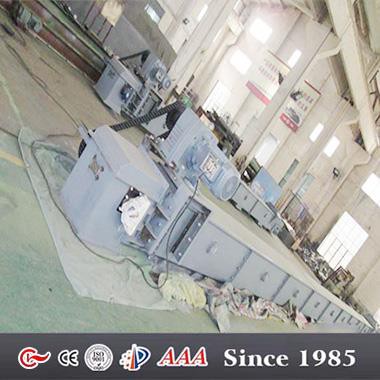
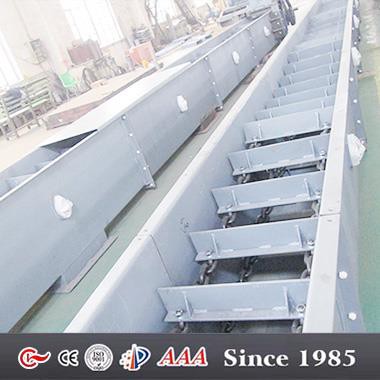
Our Grain Drag Conveyor Drag Chain Conveyor is a popular choice for industries that require a reliable and durable conveyor system. It can be customized to suit your specific needs, whether you are dealing with mild or severe corrosive environments.
Conclusion
In conclusion, a drag conveyor can be used in a corrosive environment with the right material selection, coating, and design. It is essential to understand the specific corrosive agents present and to choose the appropriate conveyor solution accordingly. At our company, we have the expertise and experience to provide you with a drag conveyor that meets your requirements and performs reliably in a corrosive environment.
If you are in need of a drag conveyor for a corrosive environment, we invite you to contact us to discuss your project. Our team of experts is ready to provide you with detailed information and to help you make the best decision for your business.
References
- "Corrosion Handbook" by H. H. Uhlig
- "Materials Selection for Corrosion Control" by G. S. Francia
- Industry standards and guidelines on conveyor design and corrosion protection.