

Hey there! I'm a supplier for a mixer factory, and today I wanna chat about whether there are any environmental regulations for such a factory.
First off, let's understand the general situation. Mixer factories produce all sorts of mixers, like the Sludge Mixer Mixing Screw Conveyors and Conveyor Screw Coffee Screw Ribbon Mixer for Coffee System. These mixers are used in different industries, from waste treatment to the food and beverage sector.

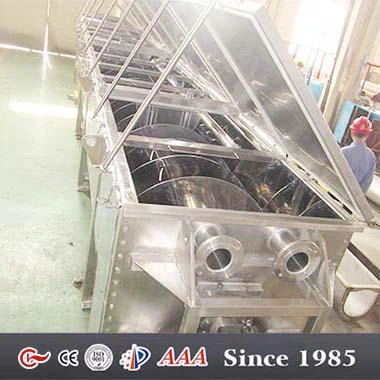
When it comes to environmental regulations, there are indeed quite a few that mixer factories need to follow. One of the most obvious areas is air pollution. During the manufacturing process, there can be emissions from various sources. For example, the cutting, welding, and painting operations in a mixer factory can release harmful gases and particulate matter into the air.
In many countries and regions, there are strict limits on the amount of pollutants that can be emitted into the atmosphere. Factories are required to install air pollution control equipment, such as scrubbers and filters, to reduce the emissions of volatile organic compounds (VOCs), sulfur dioxide, and particulate matter. These measures not only help to protect the environment but also safeguard the health of the factory workers and the surrounding community.
Another important aspect is water pollution. Mixer factories may use water in their manufacturing processes, for cooling, cleaning, or as a component in some of the mixtures. The wastewater generated from these operations can contain heavy metals, chemicals, and other contaminants. Environmental regulations mandate that factories treat their wastewater before discharging it into the sewer system or natural water bodies.
The treatment process usually involves several steps, including sedimentation, filtration, and chemical treatment. The goal is to remove or reduce the concentration of pollutants to an acceptable level. Some factories may even recycle and reuse the treated water to minimize their water consumption and environmental impact.
Noise pollution is also a concern for mixer factories. The operation of machinery, such as mixers, conveyors, and compressors, can generate a significant amount of noise. Prolonged exposure to high - level noise can cause hearing loss and other health problems for the workers. Additionally, excessive noise can be a nuisance to the neighboring areas.
To comply with environmental regulations, factories are required to take measures to reduce noise emissions. This can include installing noise - reducing enclosures around the machinery, using vibration - damping materials, and implementing proper maintenance schedules to ensure that the equipment operates smoothly and quietly.
Waste management is yet another area where environmental regulations play a crucial role. Mixer factories generate different types of waste, including scrap metal, plastic, cardboard, and hazardous waste. Proper waste management practices are essential to prevent environmental contamination.
Factories are required to separate their waste into different categories and dispose of them in an appropriate manner. Recyclable materials, such as scrap metal and plastic, should be recycled to conserve natural resources. Hazardous waste, such as chemicals and batteries, must be stored and disposed of in accordance with strict regulations to prevent leakage and contamination.
Moreover, there are regulations regarding the energy consumption of mixer factories. In today's world, energy efficiency is a top priority for environmental protection. Factories are encouraged to adopt energy - saving technologies and practices, such as using high - efficiency motors, optimizing the production process to reduce energy waste, and installing renewable energy sources like solar panels.
These regulations not only benefit the environment but also make good business sense. By reducing energy consumption, factories can lower their operating costs and improve their competitiveness in the market.
As a supplier for a mixer factory, I understand the importance of complying with these environmental regulations. Our products are designed to meet the highest environmental standards. For example, our Sludge Mixer Mixing Screw Conveyors are engineered to operate efficiently, minimizing energy consumption and reducing emissions. Similarly, our Conveyor Screw Coffee Screw Ribbon Mixer for Coffee System is designed to be as environmentally friendly as possible, with features that reduce waste and water usage.
If you're in the market for mixers and are concerned about environmental impact, we've got you covered. Our mixers are not only high - quality and reliable but also compliant with all the relevant environmental regulations. Whether you're in the waste treatment industry, the food and beverage sector, or any other industry that requires mixing equipment, we can provide you with the perfect solution.
We're always happy to have a chat with you about your specific needs. If you're interested in learning more about our products or want to discuss a potential purchase, don't hesitate to reach out. We're here to help you make the right choice for your business while also doing our part for the environment.
In conclusion, there are numerous environmental regulations for mixer factories, covering air pollution, water pollution, noise pollution, waste management, and energy consumption. As a responsible supplier, we are committed to meeting these regulations and providing our customers with environmentally friendly products. If you're looking for a mixer supplier that takes environmental protection seriously, we'd love to have a conversation with you about your procurement needs.
References
- Environmental Protection Agency (EPA) guidelines on industrial pollution control
- Local environmental regulations for manufacturing industries
- Industry standards for mixer manufacturing and environmental compliance