

Food safety is a paramount concern in the food industry. As a food conveyor supplier, I often get asked about the safety of food conveyors for food transportation. In this blog post, I'll delve into this topic, exploring the factors that contribute to the safety of food conveyors and how our products ensure the integrity of the food being transported.

Understanding the Basics of Food Conveyors
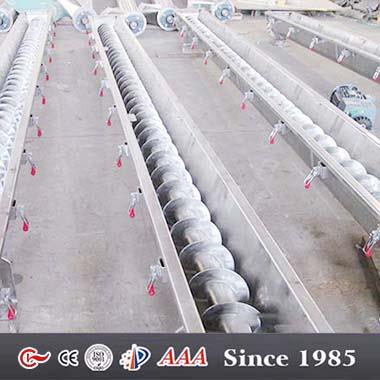
Food conveyors are mechanical devices used to transport food products from one point to another in a food processing or packaging facility. They come in various types, including belt conveyors, screw conveyors, and chain conveyors, each designed to suit different types of food products and production requirements.
The primary function of a food conveyor is to move food efficiently and consistently, reducing manual handling and increasing productivity. However, it's crucial that these conveyors do not compromise the safety and quality of the food they transport.
Factors Affecting the Safety of Food Conveyors
Several factors can impact the safety of food conveyors. These include the materials used in the construction of the conveyor, the design of the conveyor system, and the maintenance and cleaning procedures.
Materials
The materials used in food conveyors must be food-grade, meaning they are safe for contact with food and do not contaminate it. Our company uses high-quality, food-grade materials in all our conveyors. For example, our Food Grade En-Masse Conveyors Systems are constructed with materials that meet strict food safety standards. These materials are resistant to corrosion, wear, and tear, ensuring a long lifespan and preventing the leaching of harmful substances into the food.
Design
The design of the conveyor system is also critical for food safety. A well-designed conveyor should minimize the risk of food contamination. This includes features such as smooth surfaces that are easy to clean, and designs that prevent the accumulation of food particles. Our Snake Scraper Chain Conveyor Elevator Chain is designed with a unique scraper mechanism that helps to keep the conveyor clean and free of debris. This design reduces the risk of bacterial growth and cross-contamination.
Maintenance and Cleaning
Regular maintenance and cleaning are essential for ensuring the safety of food conveyors. Our conveyors are designed for easy maintenance, with accessible parts that can be quickly inspected and replaced if necessary. We also provide detailed cleaning instructions to our customers, emphasizing the importance of using appropriate cleaning agents and following proper cleaning procedures. For example, our Food Grade Conveyor Screw Conveyor Systems are designed with a self-cleaning feature that helps to reduce the amount of manual cleaning required.
Safety Standards and Regulations
Food conveyors are subject to strict safety standards and regulations. These standards are in place to protect consumers from foodborne illnesses and ensure the quality of food products. Our company is committed to meeting and exceeding these standards. We follow all relevant food safety regulations, such as those set by the Food and Drug Administration (FDA) in the United States and the European Food Safety Authority (EFSA) in Europe.
Benefits of Using Our Food Conveyors
In addition to safety, our food conveyors offer several other benefits. They are highly efficient, capable of transporting large volumes of food quickly and consistently. This efficiency helps to increase productivity and reduce production costs. Our conveyors are also customizable, allowing us to design a conveyor system that meets the specific needs of each customer. Whether you need a conveyor for a small-scale food production facility or a large industrial operation, we can provide a solution that fits your requirements.
Case Studies
To illustrate the safety and effectiveness of our food conveyors, let's look at a few case studies.
Case Study 1: A Bakery
A local bakery was experiencing issues with cross-contamination in their production line. They were using a traditional conveyor system that was difficult to clean and had areas where food particles would accumulate. After switching to our Food Grade En-Masse Conveyors Systems, they noticed a significant improvement in food safety. The new conveyor was easy to clean, and the risk of cross-contamination was greatly reduced. As a result, the bakery was able to improve the quality of their products and increase customer satisfaction.
Case Study 2: A Dairy Farm
A dairy farm was looking for a more efficient way to transport milk from the milking parlor to the storage tanks. They needed a conveyor system that was hygienic and could handle the high volume of milk. Our Food Grade Conveyor Screw Conveyor Systems were the perfect solution. The screw conveyor design allowed for a smooth and continuous flow of milk, and the food-grade materials ensured that the milk remained safe and uncontaminated. The dairy farm was able to increase their milk production and reduce the time and labor required for milk transportation.
Conclusion
In conclusion, food conveyors can be safe for food transportation when they are designed, constructed, and maintained properly. As a food conveyor supplier, we are committed to providing our customers with safe, efficient, and reliable conveyor systems. Our products are made from high-quality, food-grade materials, designed for easy cleaning and maintenance, and comply with all relevant safety standards and regulations.
If you're in the food industry and are looking for a safe and efficient food conveyor solution, we'd love to hear from you. Contact us today to discuss your requirements and find out how our food conveyors can benefit your business.
References
- Food and Drug Administration (FDA). (2023). Food safety regulations. Retrieved from [FDA website]
- European Food Safety Authority (EFSA). (2023). Food safety standards. Retrieved from [EFSA website]